Turkic Culture Night
Project Description: First Turkic Night at DTU
As an ESC volunteer, being exposed to another culture helped me become more aware of my own. Living in Denmark allowed me to meet people from many different backgrounds. While thinking about my passion/solidarity project, I kept coming back to one simple idea: giving people a feeling of “home.” I wanted to create a project that would encourage intercultural dialogue and help people discover cultures that are often unfamiliar to them while also creating a sense of home and belonging. I realized that although cultural diversity was present, there were limited opportunities to learn about Turkic cultures in an interactive and engaging way. This inspired me to organize the first Turkic Night at DTU.
The Process
Then it was about bringing this idea to life. At first, I only had a fuzzy idea. The next step was putting my project management skills into practice and turning that idea into a real event.
The project started with identifying the main objective: creating a welcoming environment where people could learn about Turkic cultures through direct experience rather than only through presentations. I developed an action plan that included recruiting volunteers, finding partners, organizing activities, arranging food, and promoting the event.
One of the biggest steps was building an international volunteer team. I recruited and coordinated 15 volunteers from different countries, including Türkiye, Iran, Greece, India, Spain, Germany, and Indonesia. The diversity of the team became one of the project’s greatest strengths, as everyone contributed different ideas, skills, and perspectives.
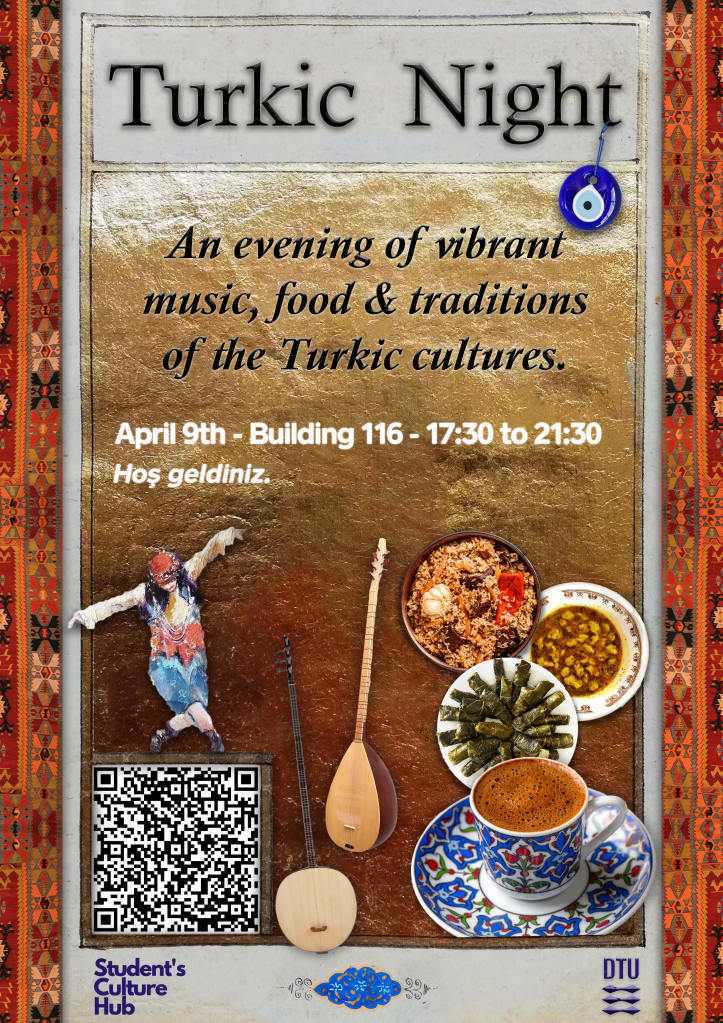
Turkic Night post for more check Students` Culture Hub Instagram account
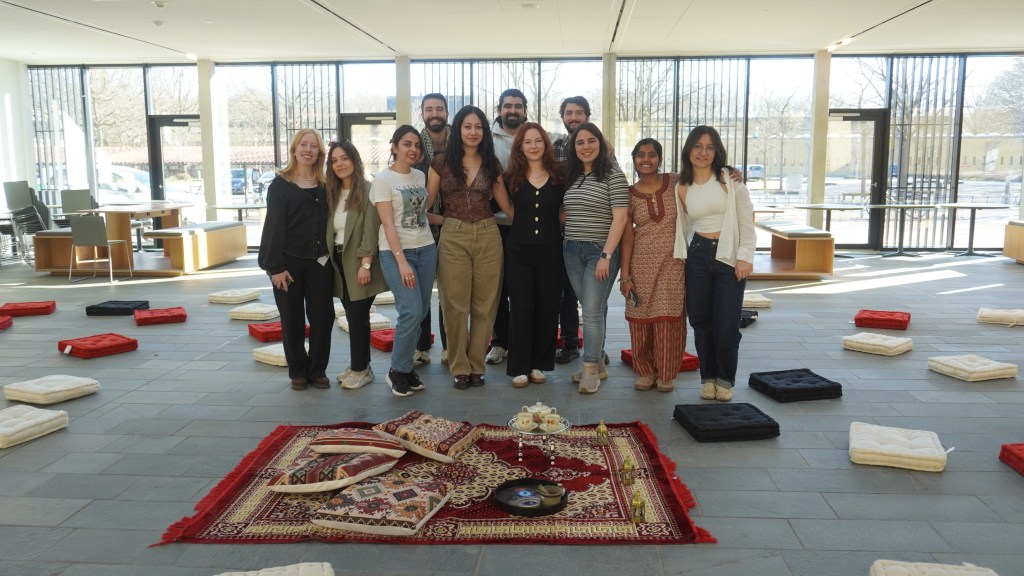
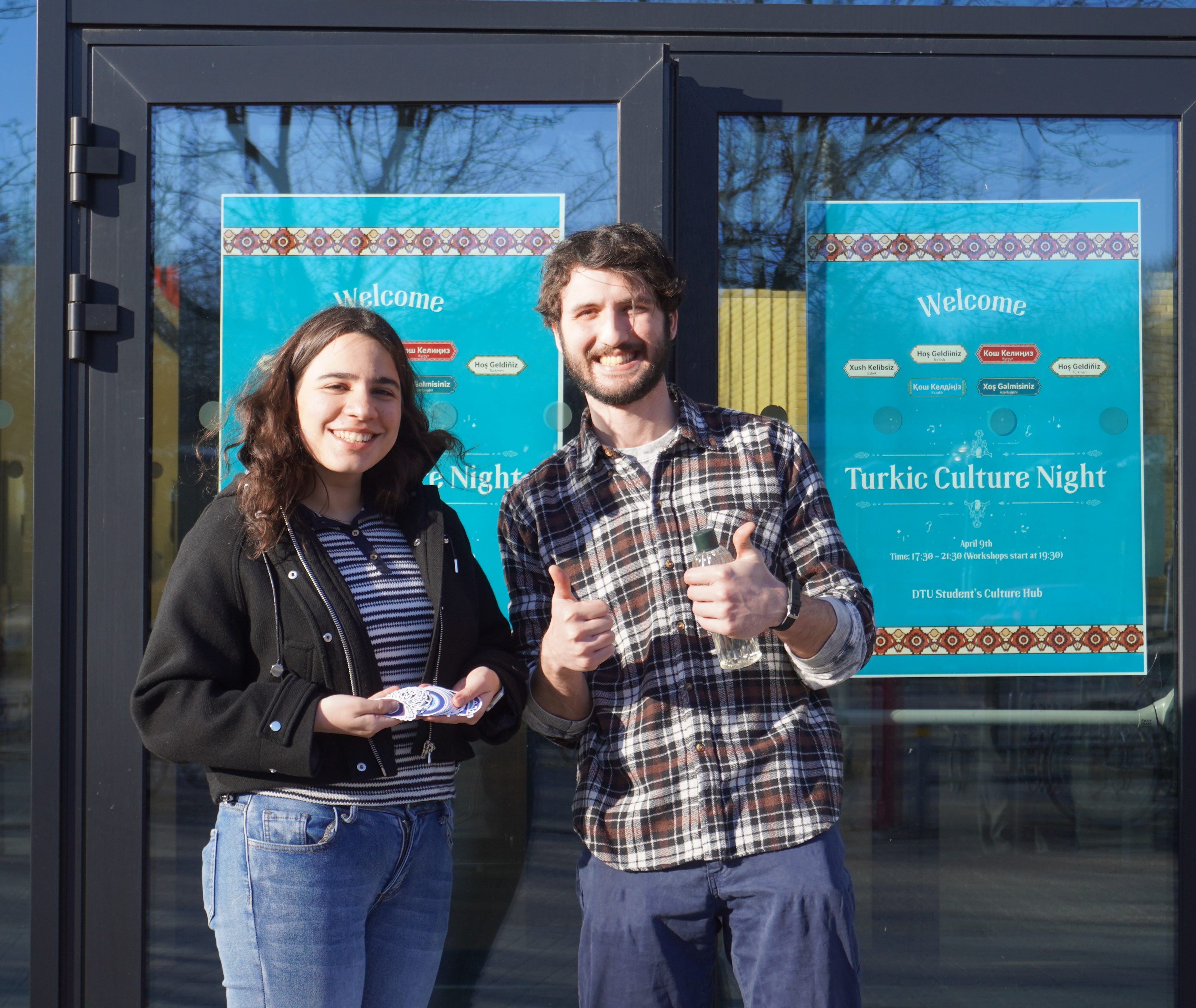
At the same time, this diversity also brought challenges. We sometimes had different understandings of what “Turkic” meant and what should be represented during the event. Instead of seeing this as a problem, we discussed about it, reflected on our objective, and reached a shared understanding of the concept we wanted to present to the audience.
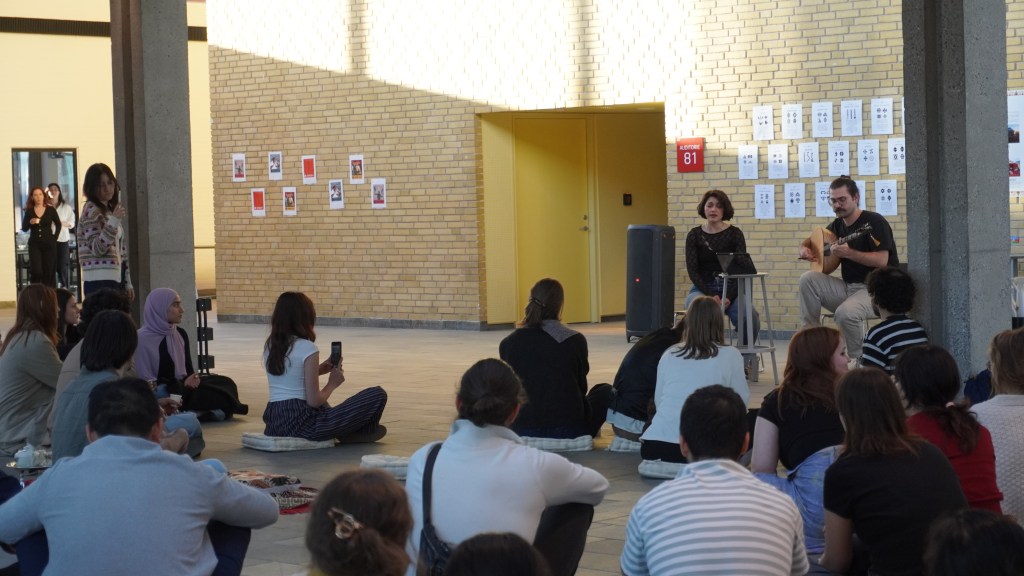
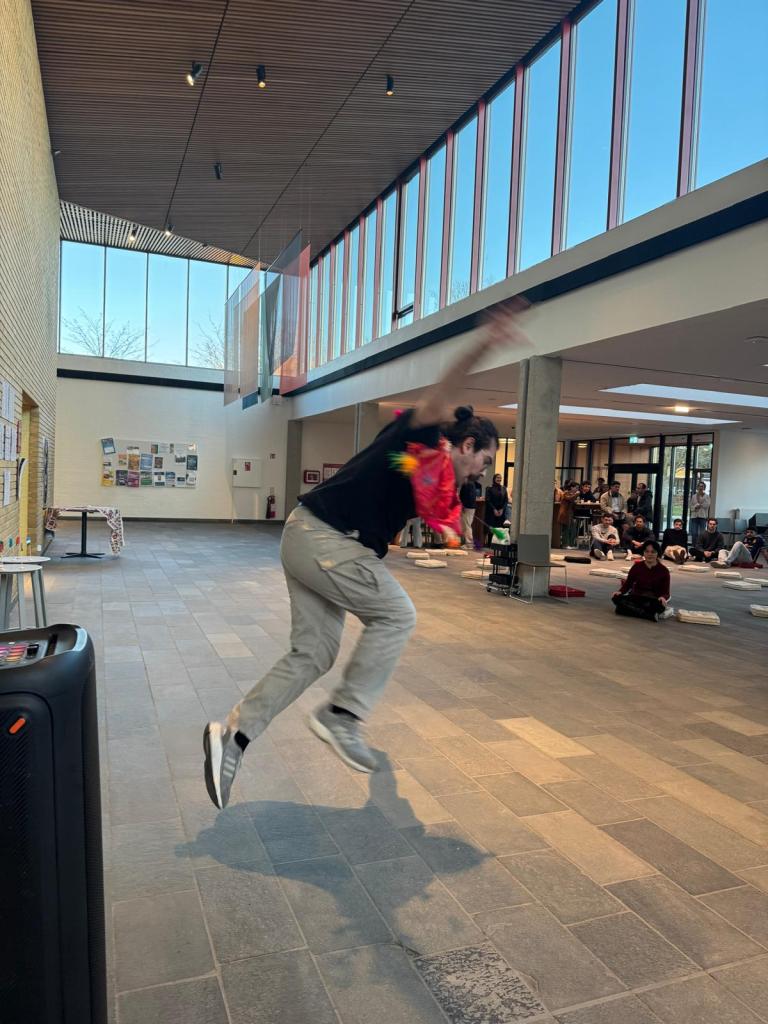
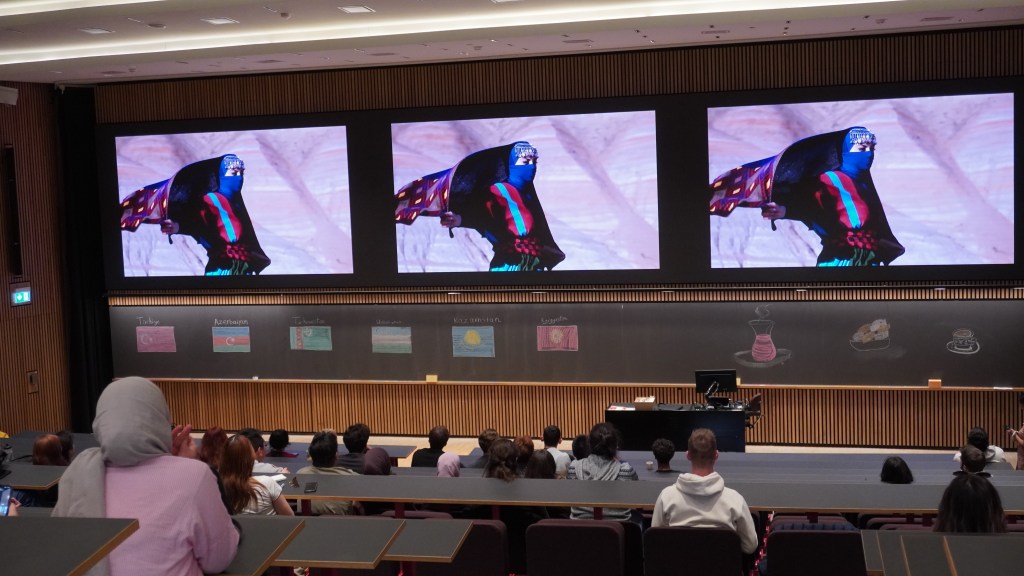
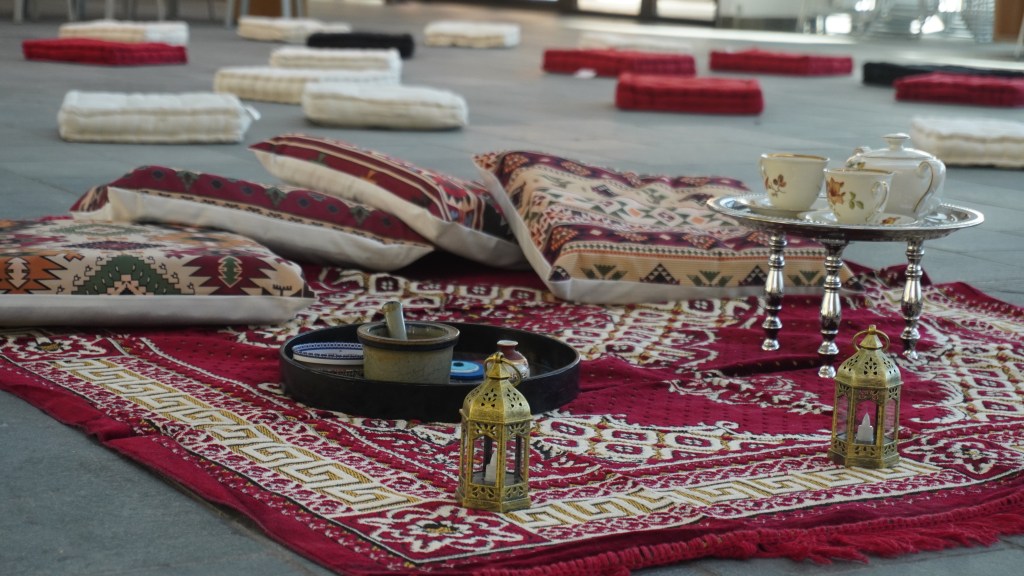
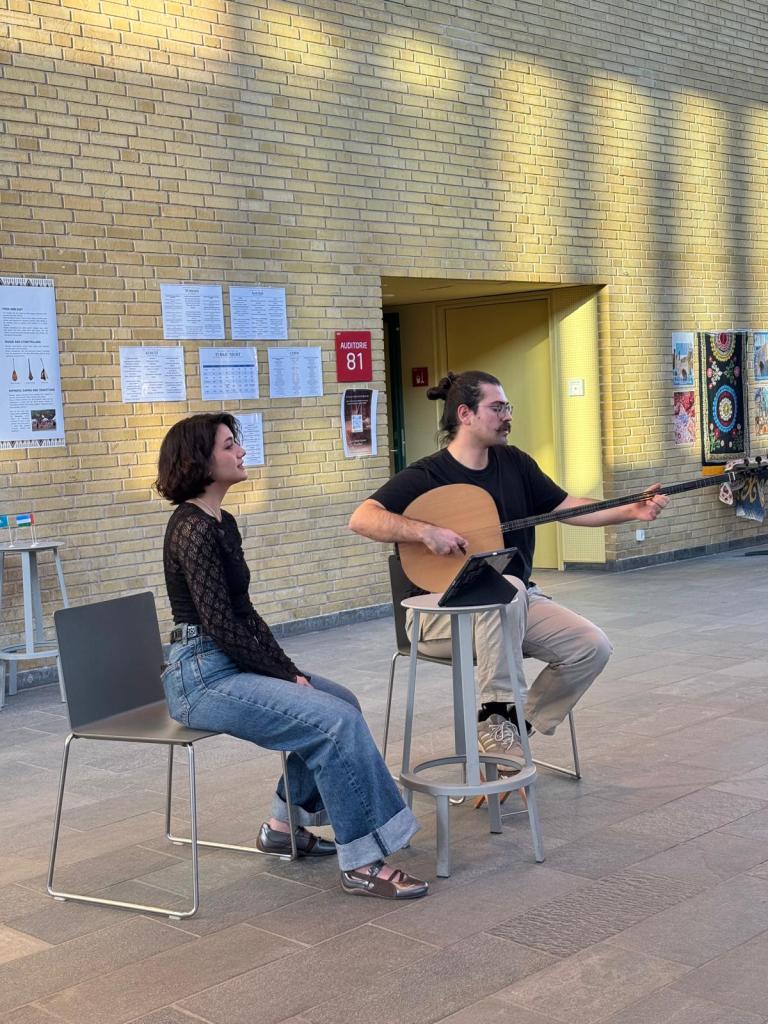
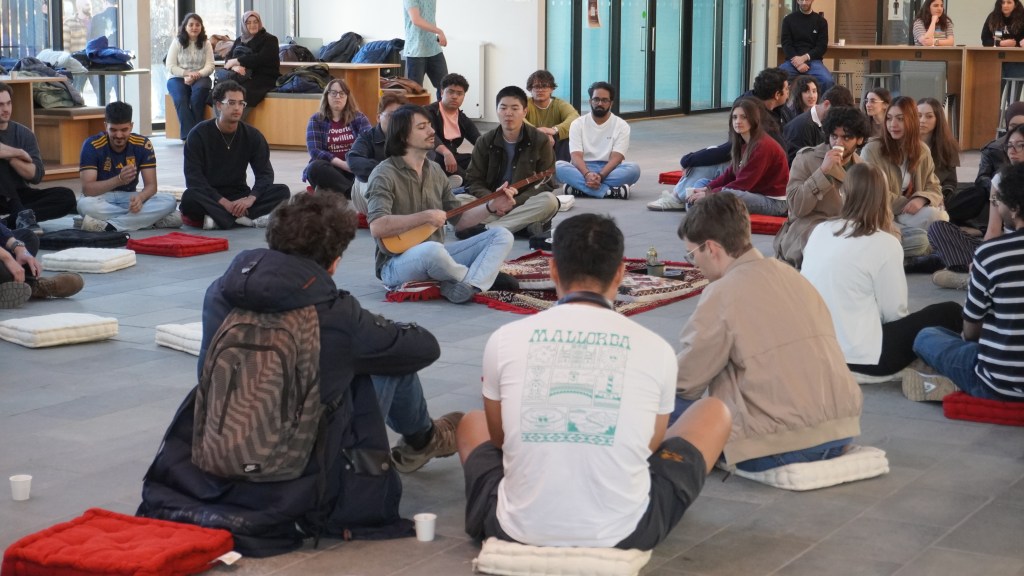
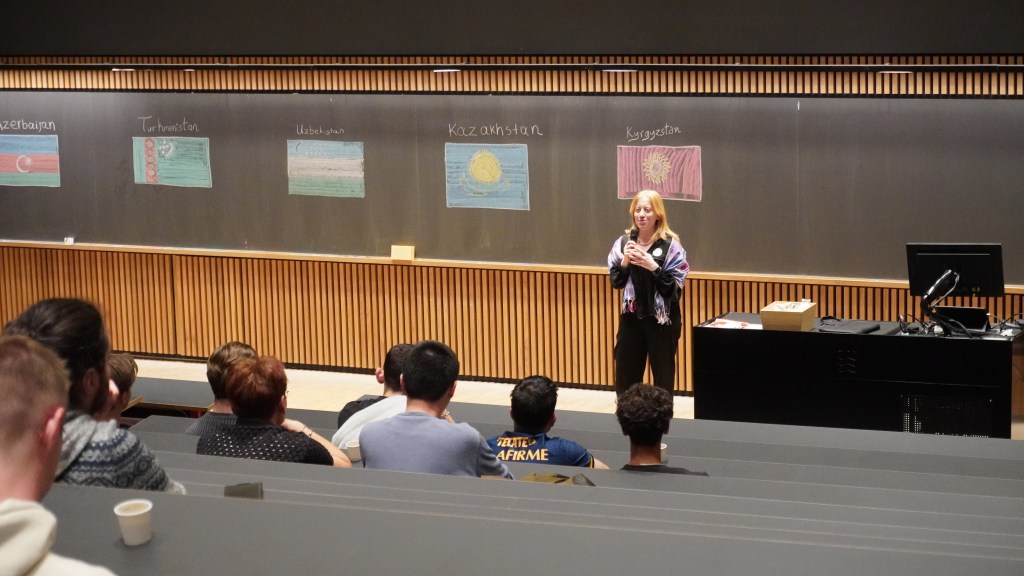
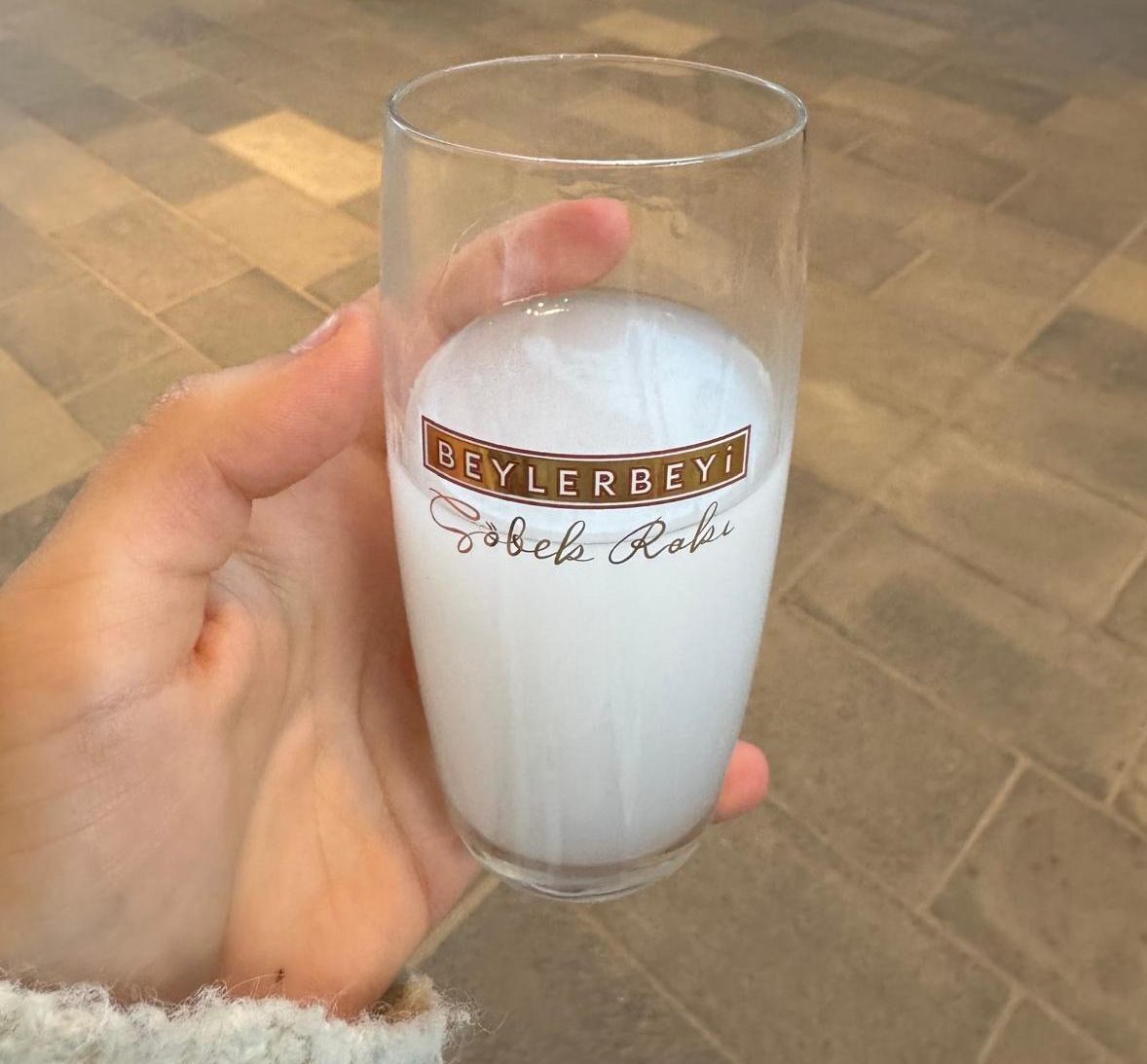
Together, we planned a programme that combined cultural learning with active participation. We organized a cultural presentation, traditional music performances, a Zeybek dance demonstration and workshop, an Uzbek porcelain painting workshop, and a food experience featuring dishes from different Turkic traditions.
Throughout the preparation process, we held meetings, divided responsibilities, coordinated logistics, and worked closely to ensure that all activities would run smoothly. As the project coordinator, I was responsible for communication, volunteer management, event planning, and overall coordination.
Results and Implementation
The implementation day was both exciting and stressful. Throughout the event, I had to be in many places at once, coordinating volunteers, partners, and different parts of the programme. Despite the pressure, it was one of the most beautiful feelings to see the audience and volunteers enjoying the experience, feeling that sense of “home,” and watching everything we had worked for come together.
The event was successfully held at DTU and brought together participants from various cultural backgrounds. Throughout the evening, participants learned about the diversity of Turkic cultures, enjoyed traditional music and dance performances, took part in interactive workshops, and shared traditional food.
The project created opportunities for meaningful conversations and cultural exchange. Many participants expressed curiosity about cultures they had previously known very little about and actively engaged in the workshops and discussions.
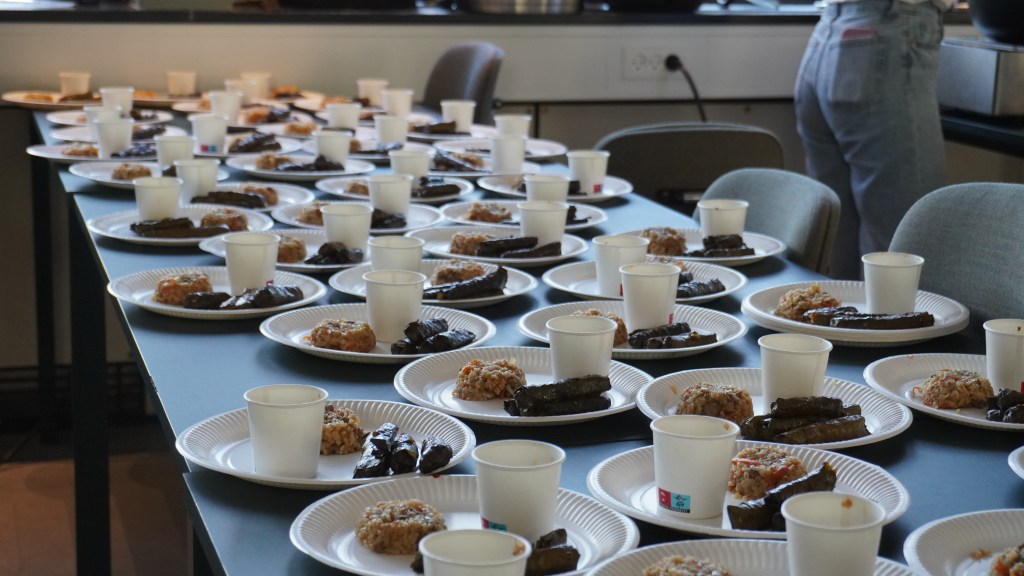
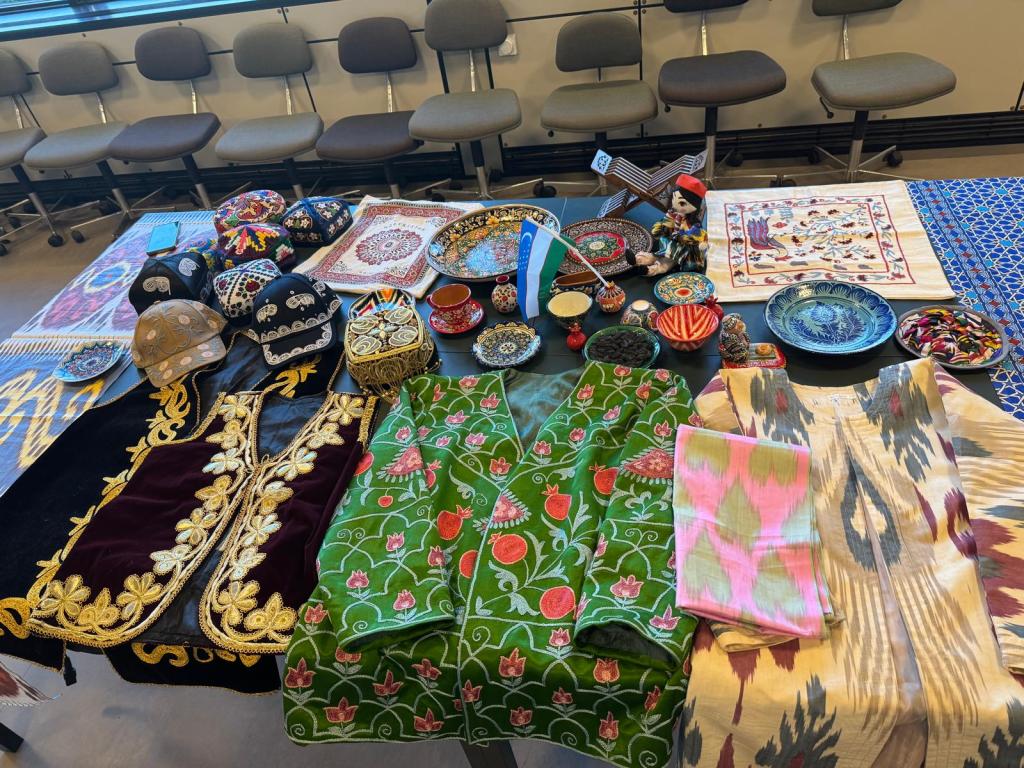
Beyond the event itself, the project strengthened connections between people from different countries and demonstrated how cultural activities can create a sense of community and mutual understanding. One of the most rewarding outcomes was seeing the volunteer team grow beyond a working group. Throughout the project, volunteers built genuine connections, and many became friends. Some even developed close friendships that continued after the event, showing that the project created not only opportunities for cultural exchange but also meaningful human connections.

What I Learned
This project taught me much more than event organization. Throughout the process, I improved my leadership, communication, teamwork, and project management skills while coordinating an international team of volunteers.
So yes, it may sound cliché, but it is true: believe in the process. At the beginning, I only had a fuzzy idea. There were moments when I was unsure how everything would come together, but step by step it did. Looking back, I can see that every challenge became part of the learning experience.
I also learned the importance of flexibility. Organizing a multicultural event meant working with different expectations, schedules, and perspectives. Finding solutions together required patience, open communication, and cooperation. At the same time, I witnessed how cultural exchange can bring people together and create genuine human connections.
Perhaps the most rewarding part was seeing participants leave the event with new knowledge, new experiences, and a greater appreciation for cultural diversity. It was also rewarding to see volunteers become friends and create memories together. The project reminded me that solidarity can be built through simple human interactions, shared stories, and openness to learning from one another.
For future ESC volunteers, I would encourage taking initiative and turning an idea into action. You do not have to know every step from the beginning. Sometimes all you need is an idea, the willingness to start, and trust in the process. Even a small cultural event can create a meaningful impact when people come together with a shared purpose.
Thank you for reading!

