From Osnabrück to Copenhagen to Odense
Hello, to all future or former volunteers, or just anyone who would like to know about my story. My name is Mareile, I’m from Germany and I started my journey to Denmark in autumn 2021 at the age of 18.
I graduated from a German high school the same summer before, and like many others my age, I wanted to get out into the world before continuing my studies. Since I didn’t really have the budget for such a trip, the European Solidarity Corps was the perfect opportunity for me to gain experience abroad without having to spend a lot of money.
Denmark had been an interesting country for me from the beginning, and when I was accepted directly by the first project I applied to, nothing stood in the way of my trip. So, I set off for Copenhagen in September. At that time, I had no idea that I wouldn’t be there for long. How I ended up in Odense in the winter is a long story. I have my incredible volunteer colleagues Roberta and Sebastian to thank for this. But I am also sure that without the help of AFS, the kindness of strangers and a lot of luck, I would have had to return to Germany in December. Once I arrived in Odense, my adventure really began.
Odense as a city was incredibly beautiful and very different from Copenhagen. I really liked it in the birthplace of Hans Christian Andersen and the museum about him became one of my favorite places. My host family and project were in a village called Aarslev about 15 minutes by train from Odense, so I were never far from the city, but could also enjoy the benefits of a smaller community.
Everyday work and live at Husmandsstedet
My project, where in the end ended up by chance, is called Husmandsstedet and I am sure that there was no other project that would have suited me better. Husmandsstedet is a kind of private SFO, a place where children can spend their time after school. There they can buy food for little money, do homework, and spend a lot of time with friends. Even though SFOs are common in Denmark, Husmandsstedet has always been described to me by local residents as a very special and unique place. In my opinion, this is due to the management, for whom the work is a project of the heart and who, more a friend than a boss, has always been there to listen to me and support me in everything. Just like two Danish colleagues, who you could see every day how much they love their work.
The project building has a large kitchen, a dining room, a creative room, a craft room, a fully equipped music room, a hall, a pillow room, a PC room, a lounge for girls, a PlayStation room and a large garden for romping and playing football. So, there are no limits set for the children, whether they want to play the piano/guitar, build a chair, sew a T-shirt, help with baking or just spend time with their friends.
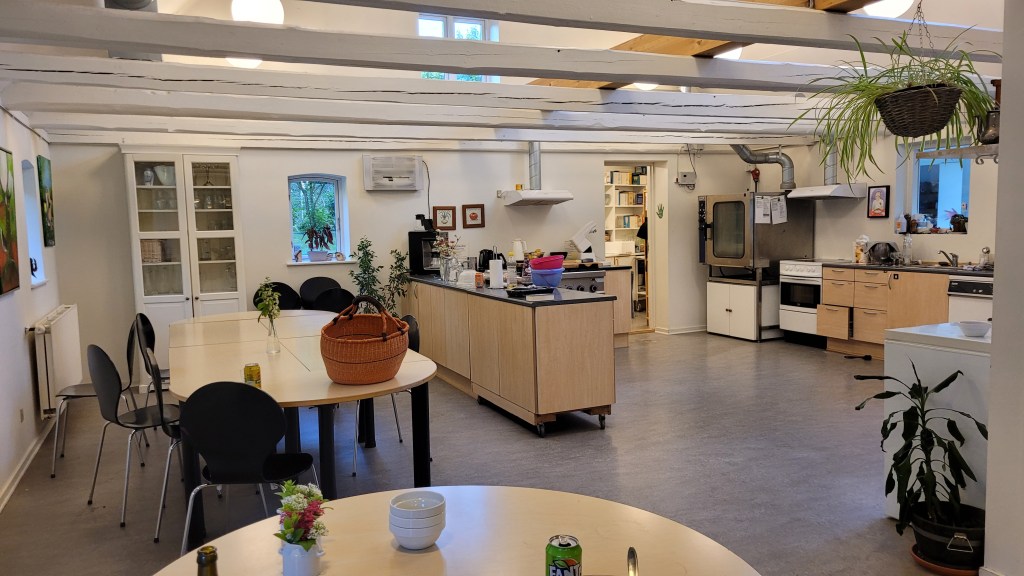
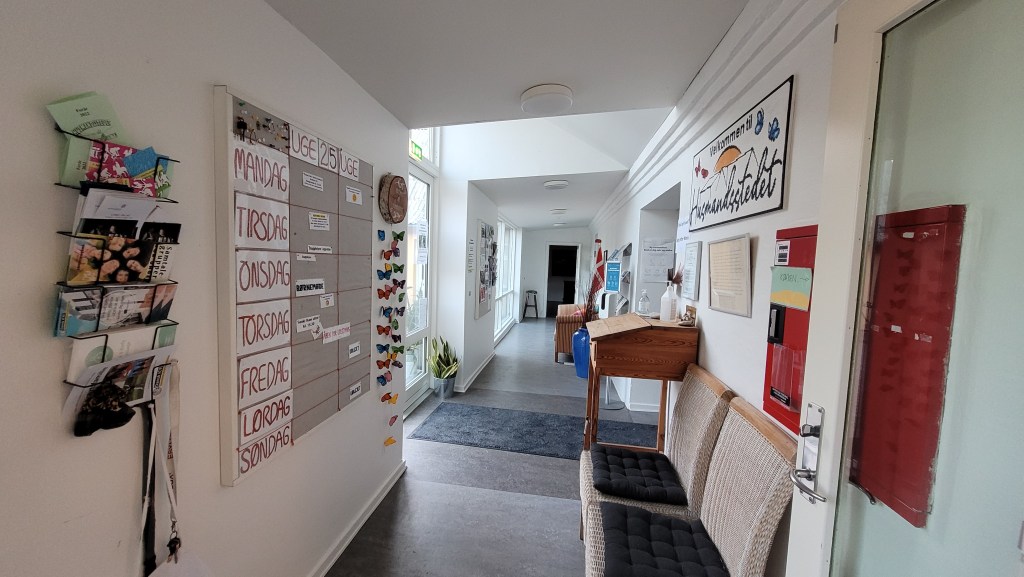


The children often occupy themselves independently, which gave us as volunteers a lot of freedom. Our job was often to support them with their ideas and spend time with the children. In addition, our daily tasks included helping in the kitchen, as well as cleaning out the dishwasher and tidying up and sweeping up at the end of the day. It was therefore also practical to guide the children to clean up their own mess after they had finished playing. This often cost some nerves and there were some long discussions, but maybe some of the children could learn to clean up on their own and at the end of the day there was less for us to do. On Wednesdays, it was often up to us volunteers to cook for the children and as something was needed that was easy to make and popular with children, pancakes were quickly established as a go-to dish. I’m sure I made at least a thousand pancakes during my time in Denmark, which is why I earned the nickname Pancakemaster among the children.
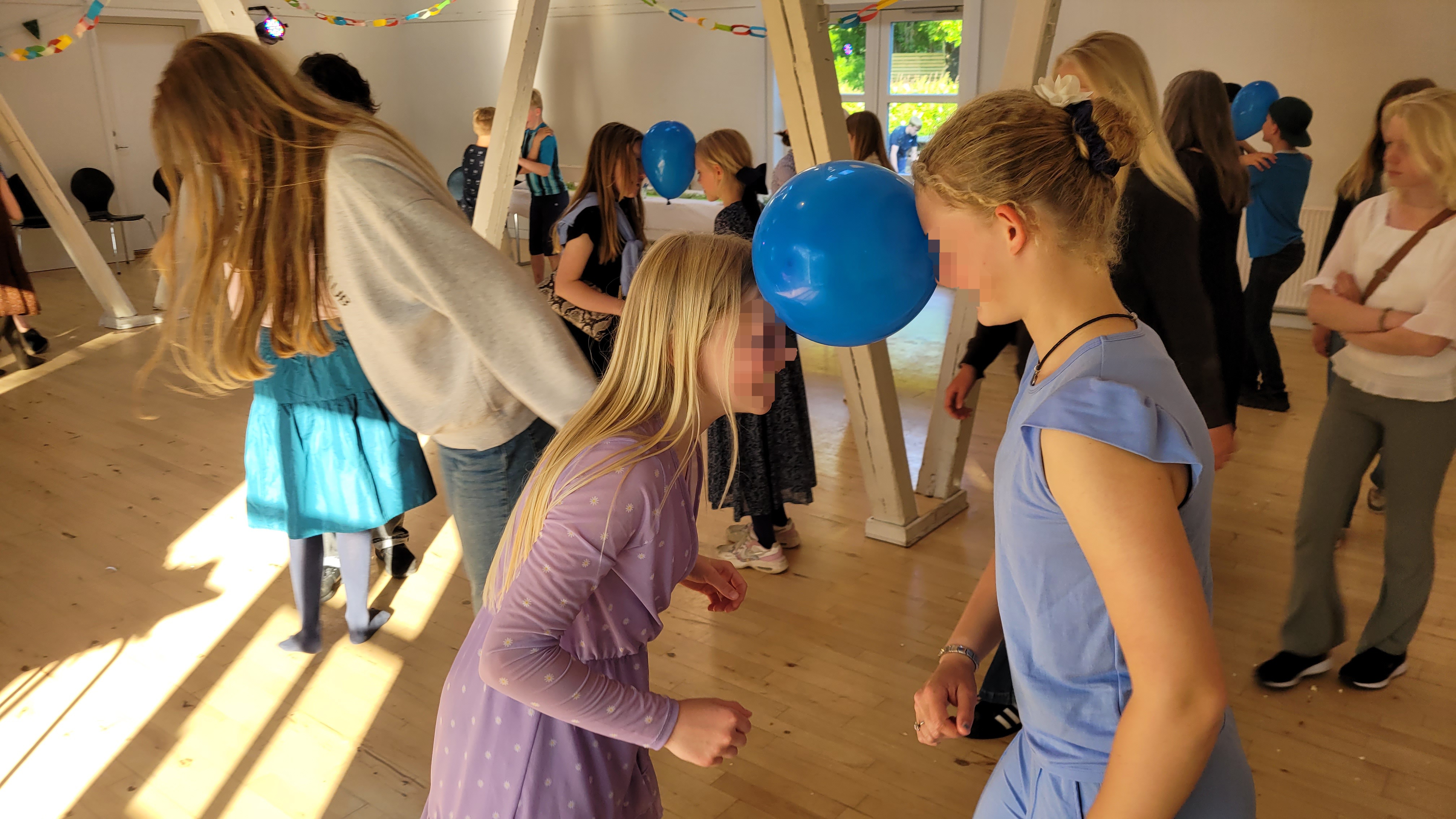
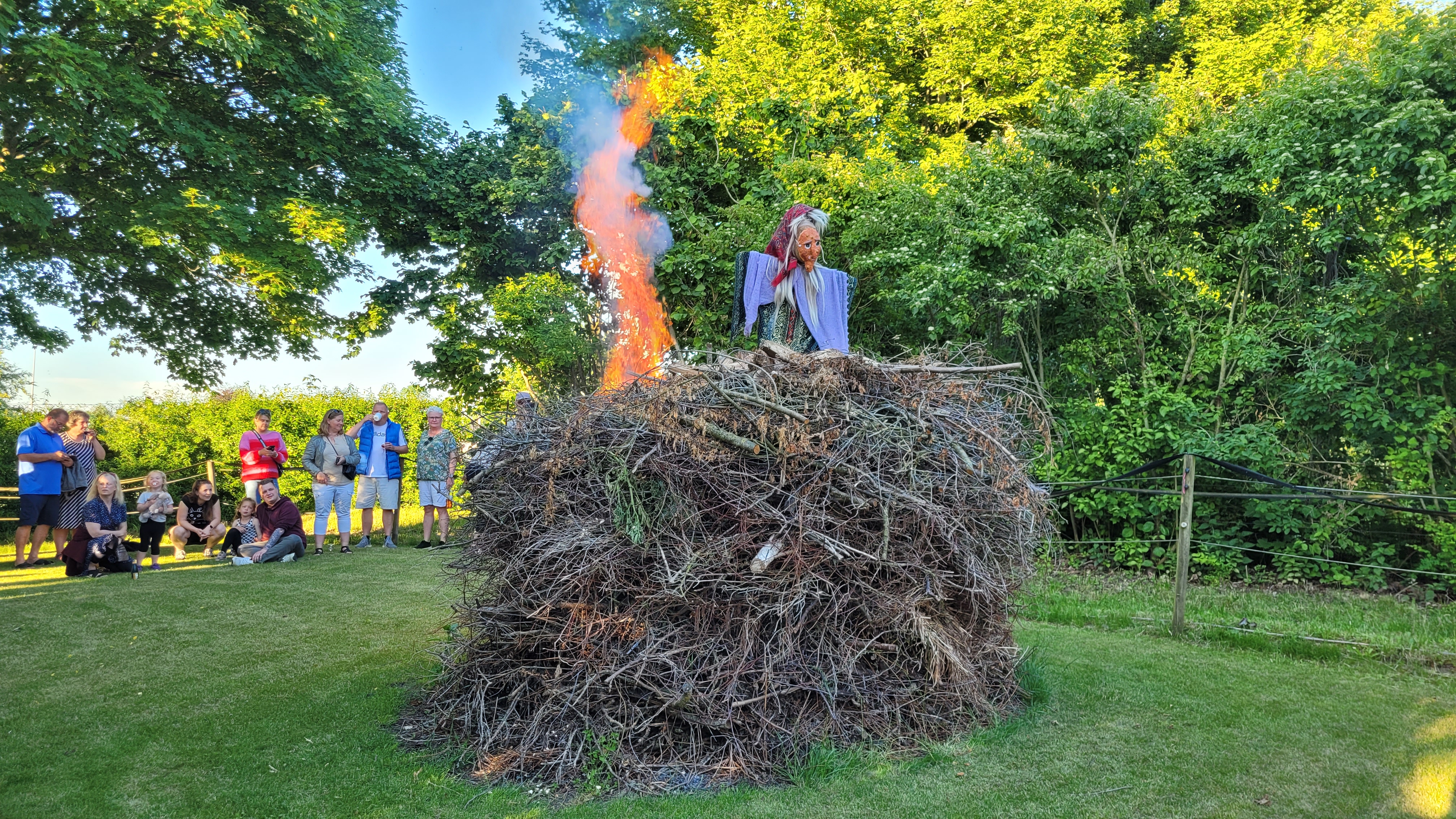
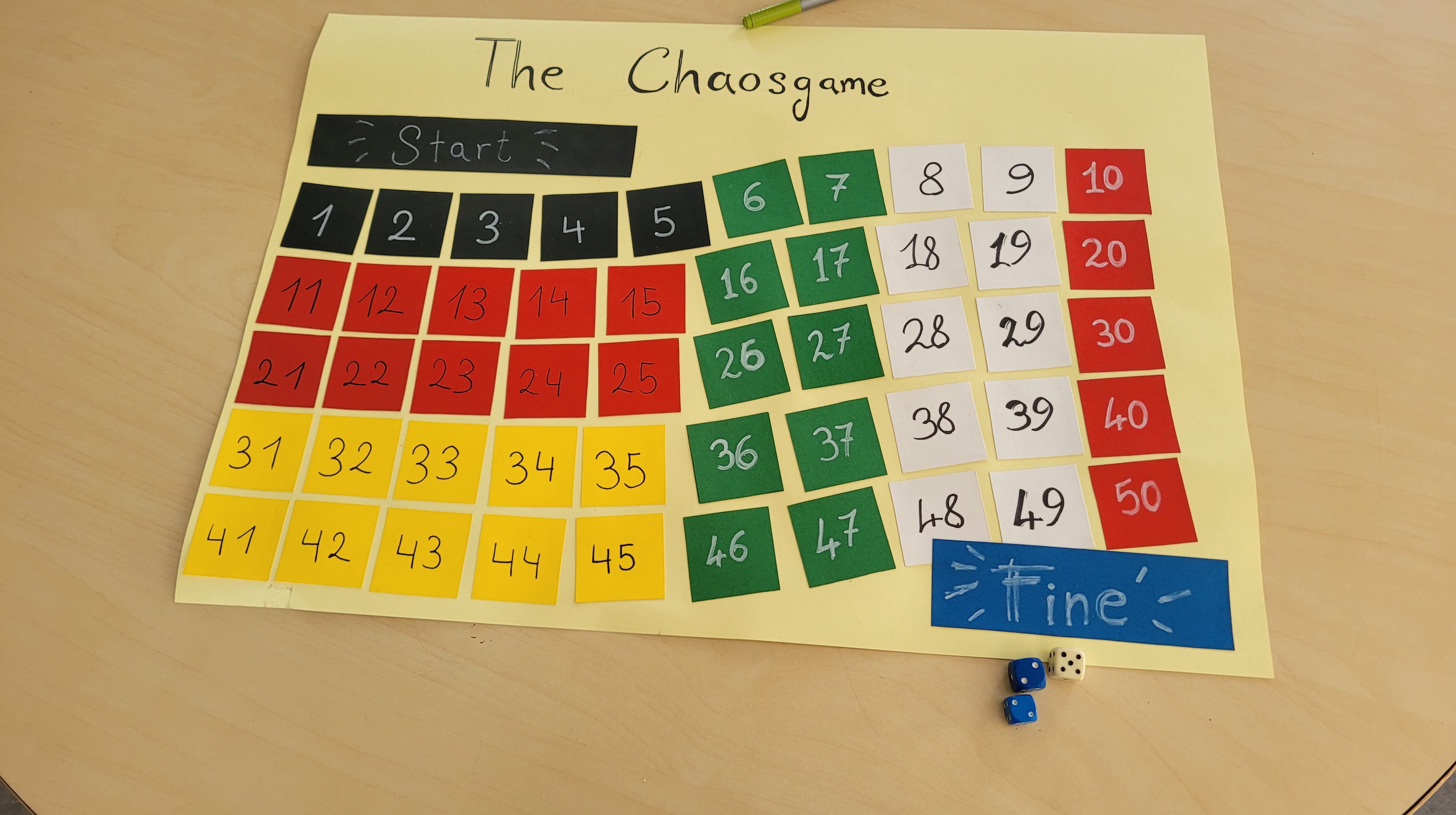
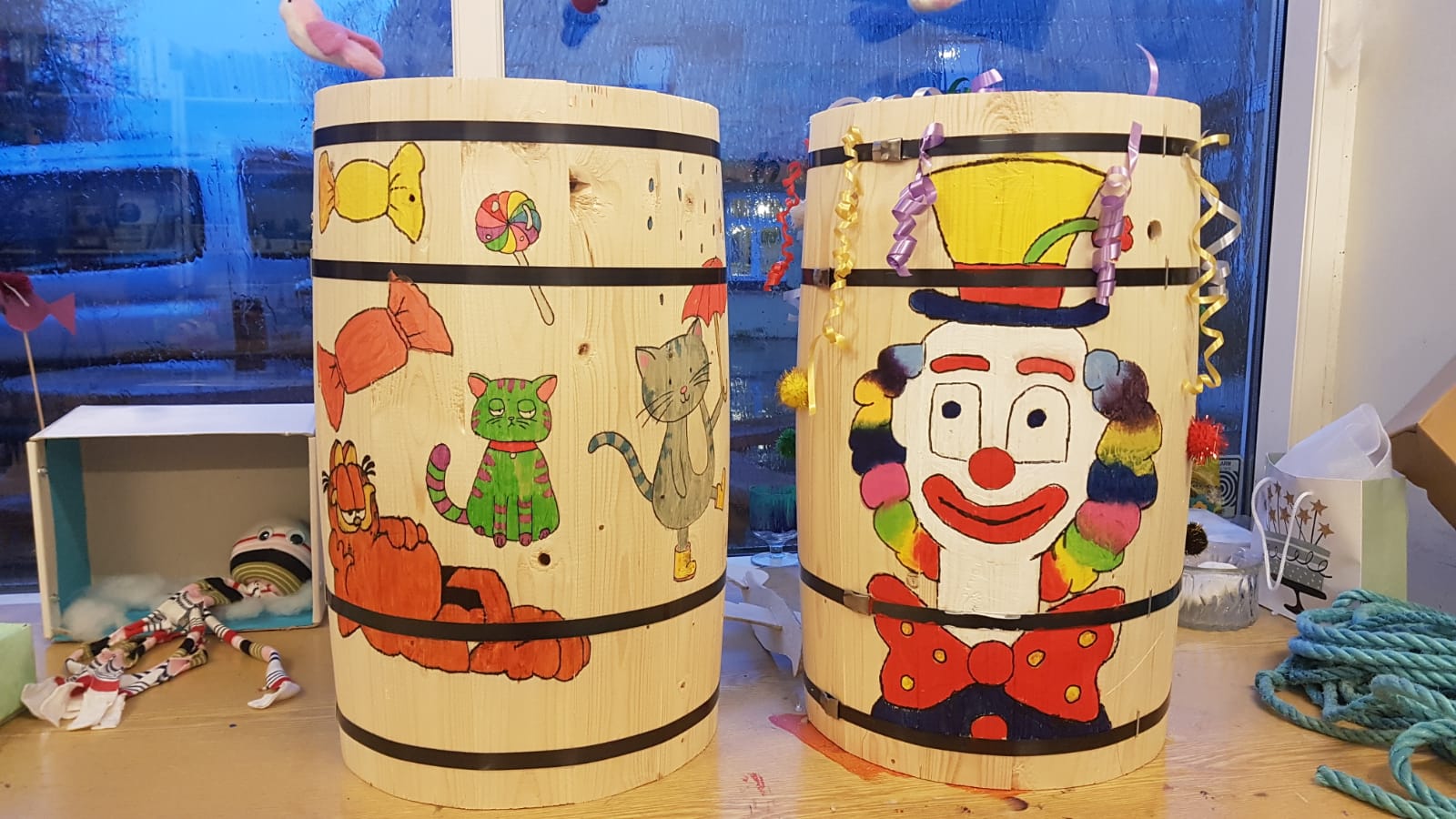
In addition to these everyday tasks, Roberta, Sebastian, and I have always planned activities for holidays and implemented our own small and large projects. For example, we painted barrels for Fastelavn, made up games for the summer festival and built a witch for Saint Hans. We always had a lot of fun organizing these parties for the children. Smaller projects included making new name tags, food tags and craft materials, as well as candles, jewelry, and our own clothes with the children. As a larger project, the three of us prepared an International Day, where we wanted to introduce the children to German and Italian culture. We cooked homemade pretzels, spaghetti, and an Italian dessert. Afterwards we played the chaos game with the children, which is played at every school trip and summer camp in my hometown. It was always unbelievably delightful to see how enthusiastic and motivated the children were during such projects and how they were always happy about it.

My solidarity project
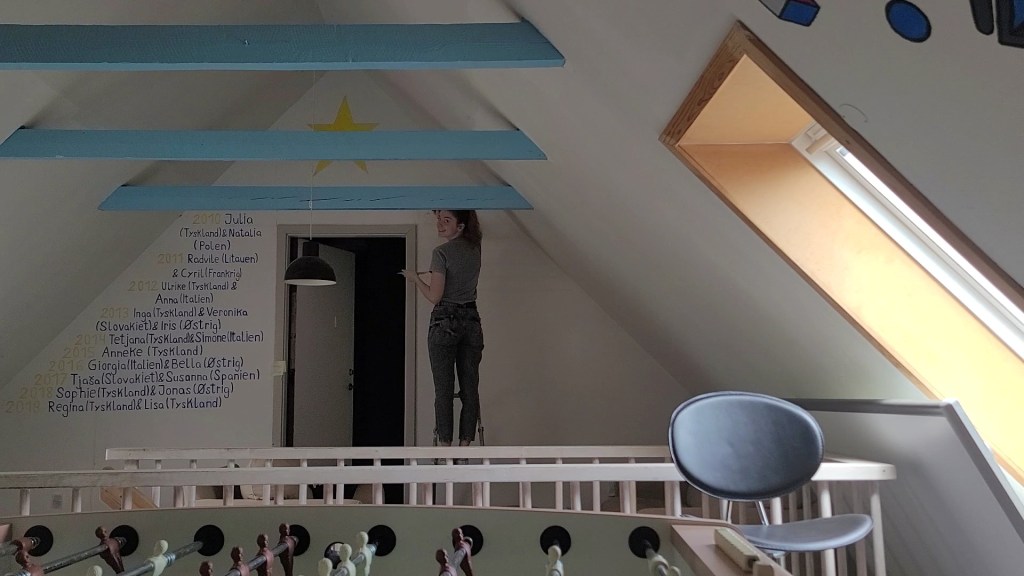
During my time at the project, I kept meeting former volunteers who visit the place and learned a lot about the history of the house and the volunteers. I was very surprised to learn that Husmandsstedet in Aarlev has a long tradition and multiple volunteers from all over Europe have been working there every year since 1999. I thought it was a great pity that you don’t see these traces of many years of cultural cooperation. I really wanted to show the children and everyone who visits the house what kind of place they are in. Unfortunately, during my research I also found out that over the years, due to changing management and the destruction of documents in accordance with data protection laws, many names of volunteers who used to work in Husmand have been lost.
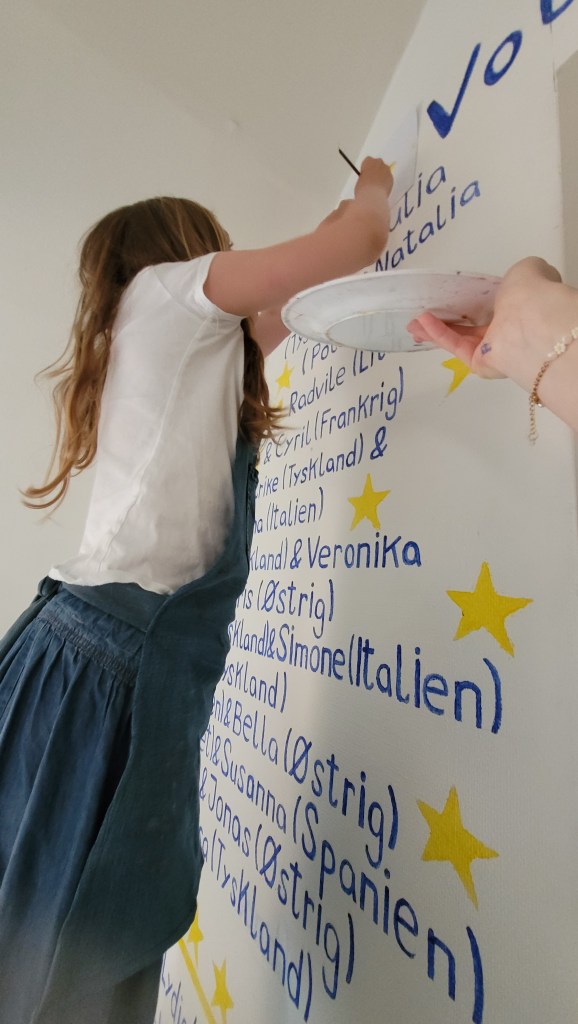
As my current boss is also retiring soon, it was important to me to eternalize the names of former volunteers in the building and to create a place where future volunteers can also leave their footprints. So, I started by painting a still rather bare (and dirty) wall and then began to paint the names of the former volunteers by hand with a brush. This whole process took much longer than I had expected, but it definitely paid off. Even as I was painting, children and parents kept coming up to me, pointing to individual names and telling me about the volunteers. After all the names were on the wall, some of the children had fun helping me to put up decorations and stars.

At the End I am really thankful for my time in Denmark, for the people I have med and for the friends I have made. I will miss this special place very much, especially the people in it, who give it its magic and without whom this place would not be the same.

 ESC Solidarity Projects