A creative storytelling project that connects children beyond language barriers.
When I moved to a new country, I started volunteering at Kassebølle Friskole — a countryside school on Langeland island in southern Denmark where the native language was completely unfamiliar to me. Each morning, I met with a group of children, most of whom didn’t speak a language I understood. At first, this made me wonder: How was I going to communicate with them? How would we share emotions, imaginations, and play?
These questions are what eventually led me to the Story Stones project.
In Search of a Common Language…
We’ve all experienced moments when communication happens without words — a glance, a drawing, a gesture. Not sharing a common language with the children at this school pushed me to explore non-verbal and multilingual forms of communication more deeply. During this process, I came across storytelling activities that used painted stones — creative and multi-sensory tools that opened a space for children to create and share stories. I realized that the small figures drawn on these stones could become a powerful medium of interaction and could work almost like a game.
Solidarity & European Connection
Story Stones embodies the idea that storytelling is universal, bridging differences in language and culture. By creating and sharing stories in words, drawings, or symbols, children learn to connect beyond the barriers of a single spoken language — building empathy, inclusion, and a sense of European solidarity. This flexible, multi-modal approach helps children from diverse backgrounds express themselves and relate to each other, echoing the core values of the ESC.
Stone Collection
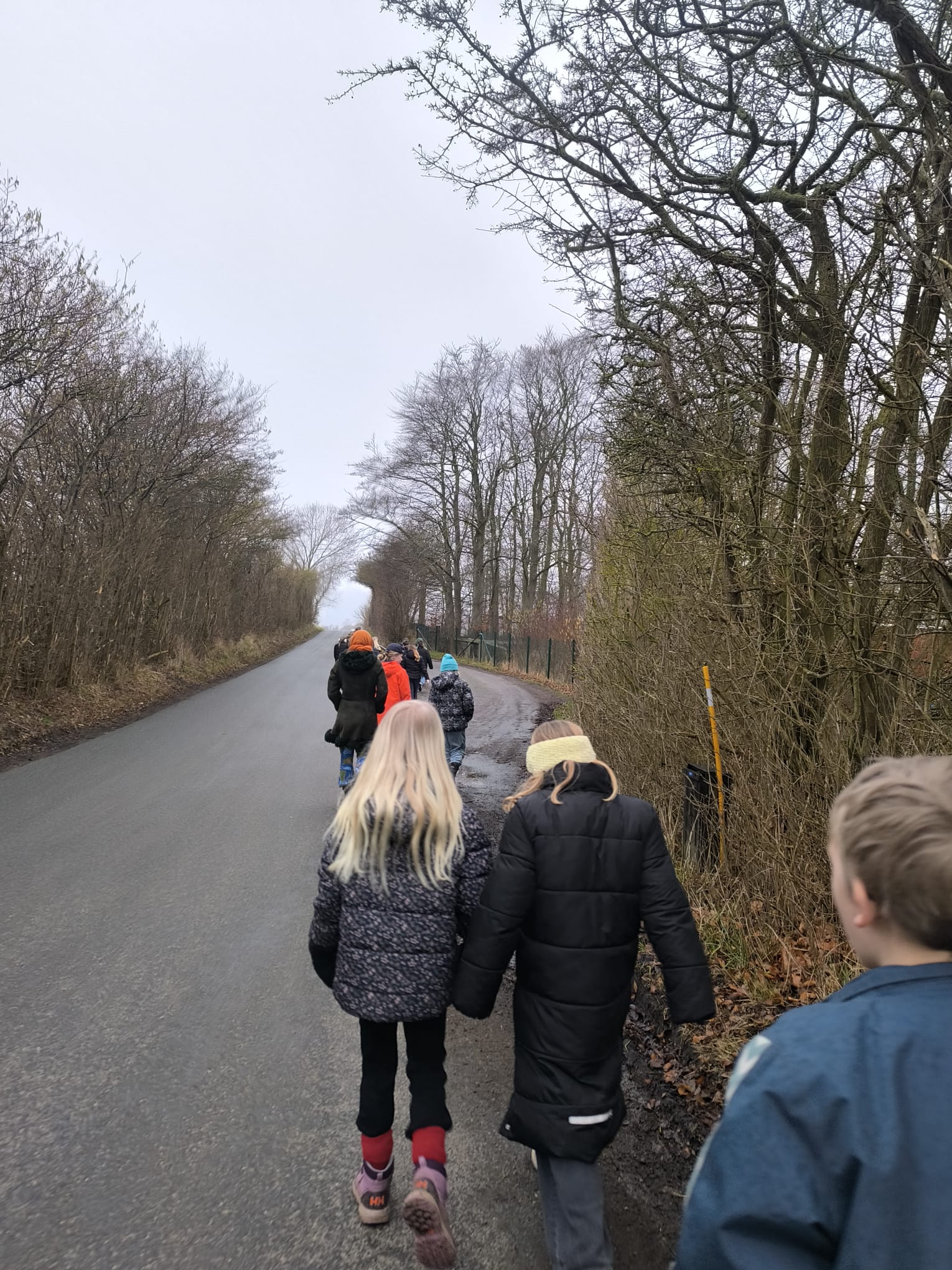
The project began with a very simple idea: First, we went outside together to collect our own stones. This contact with nature and the act of choosing the materials ourselves gave the children a sense of belonging from the start. Connecting with natural materials also added a tactile and sensory layer to the experience.
Painting & Designing Stones
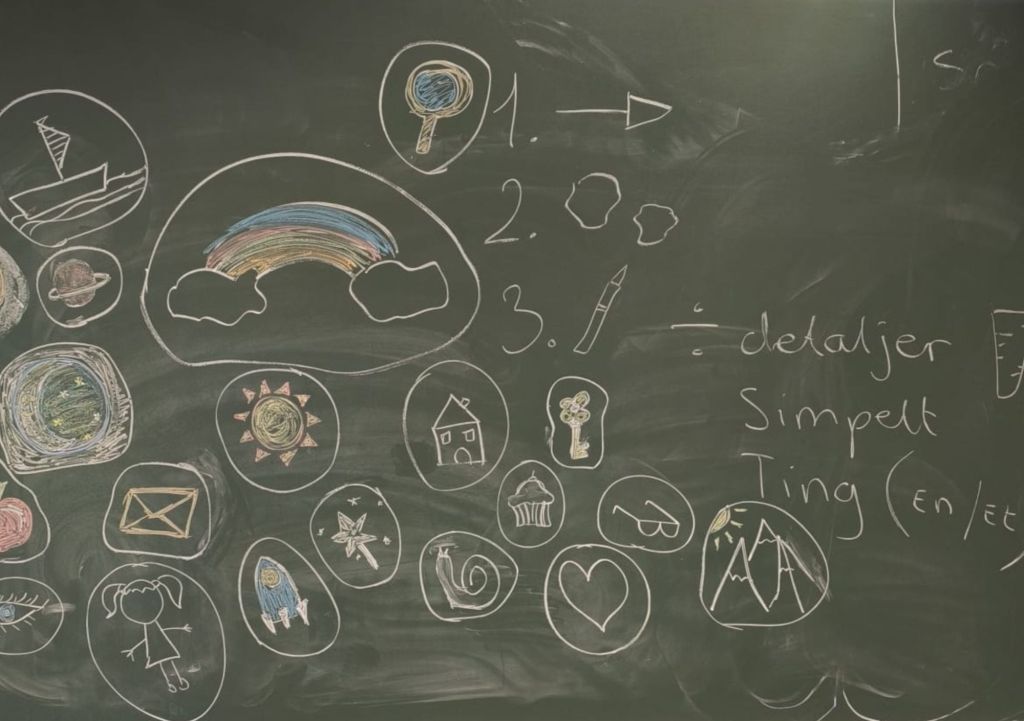
We did an activity familiar to the children — we painted the stones, drawing figures, objects, and symbols on them. Some drew animals, others painted hearts or stars. Each child freely created or pasted an image on their chosen stone.
Some children also chose to write short stories in Danish to accompany their drawings if they wanted to express themselves with words. This flexibility made each stone unique.
Telling Stories Together
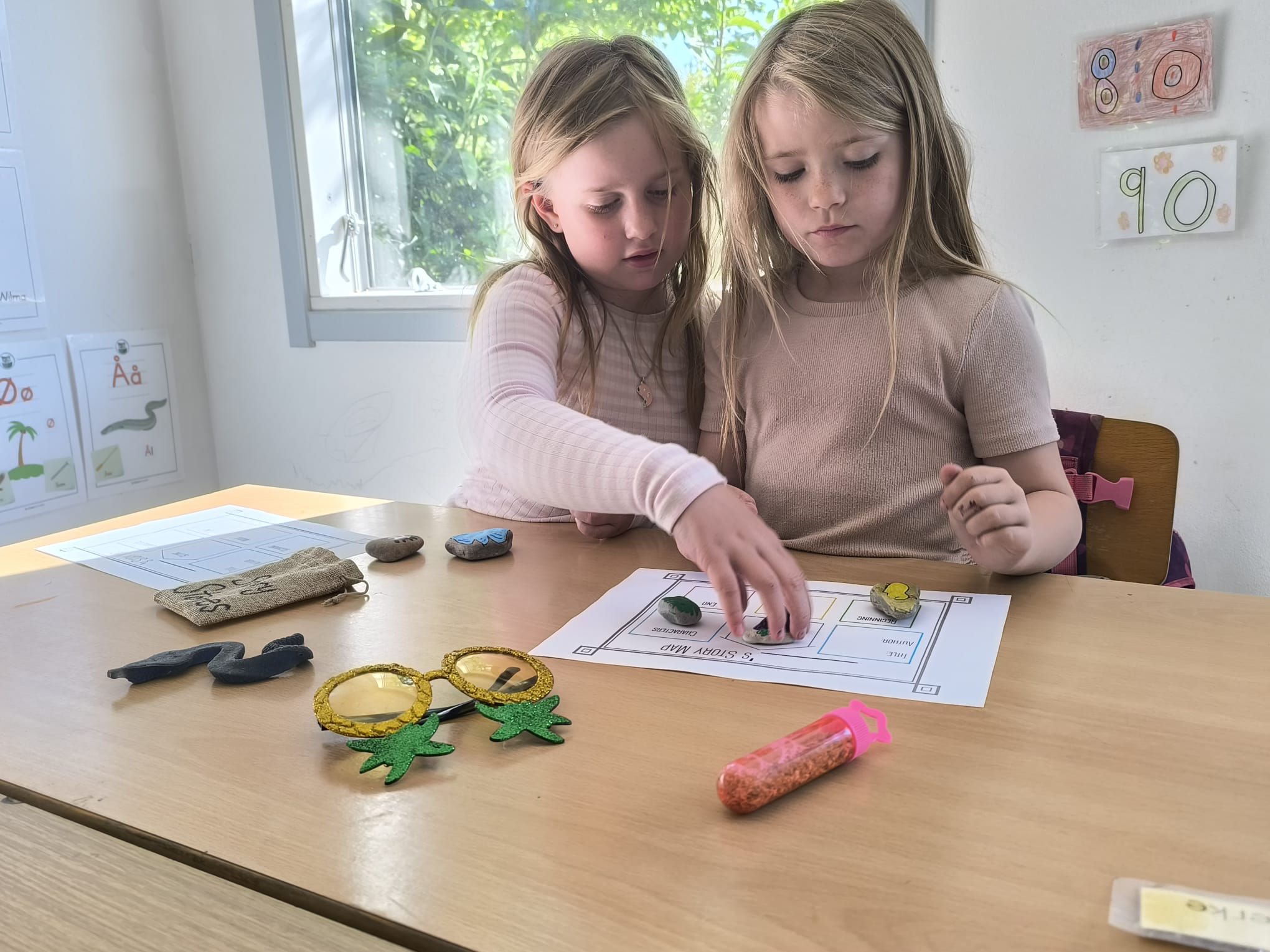
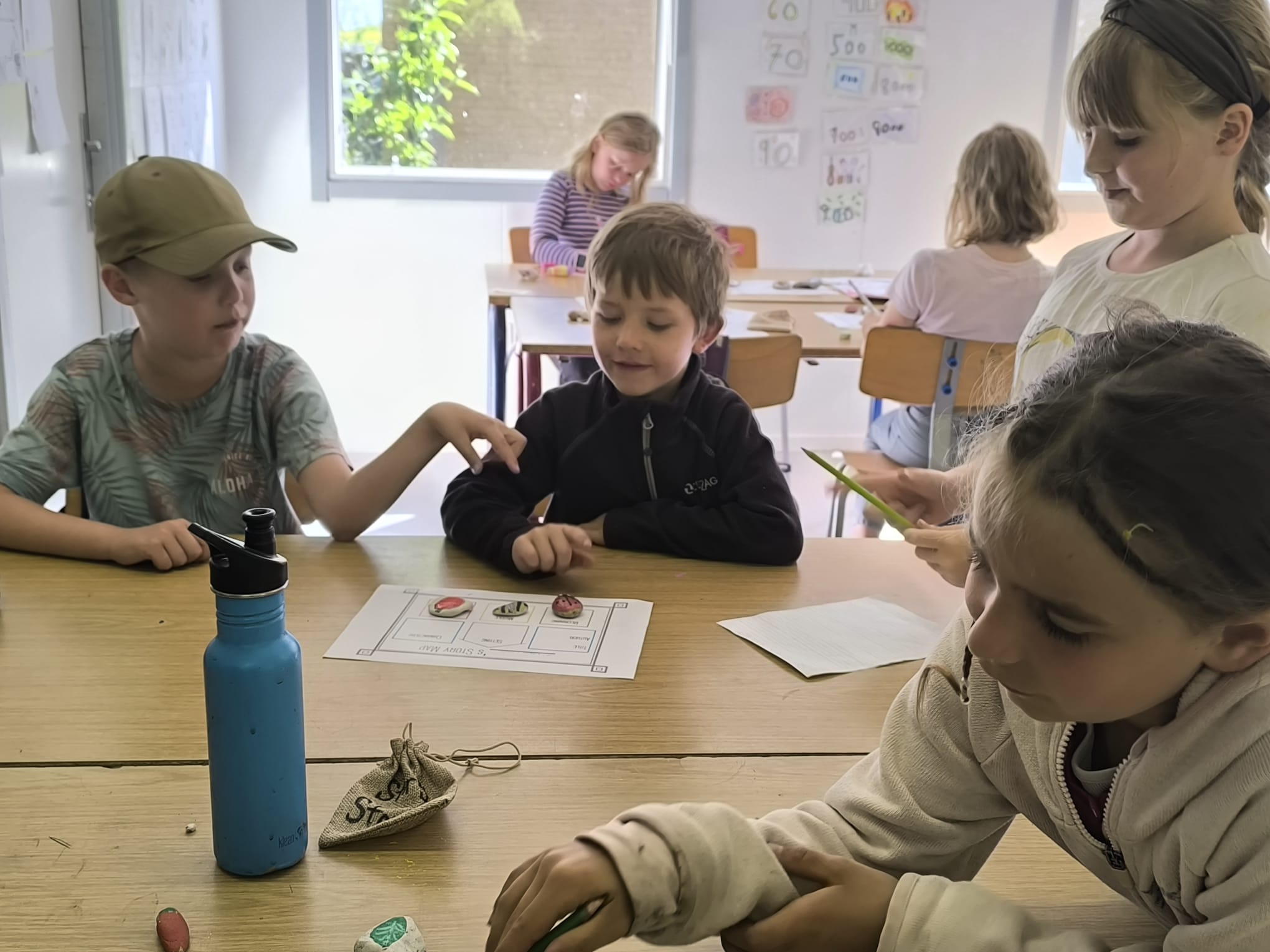
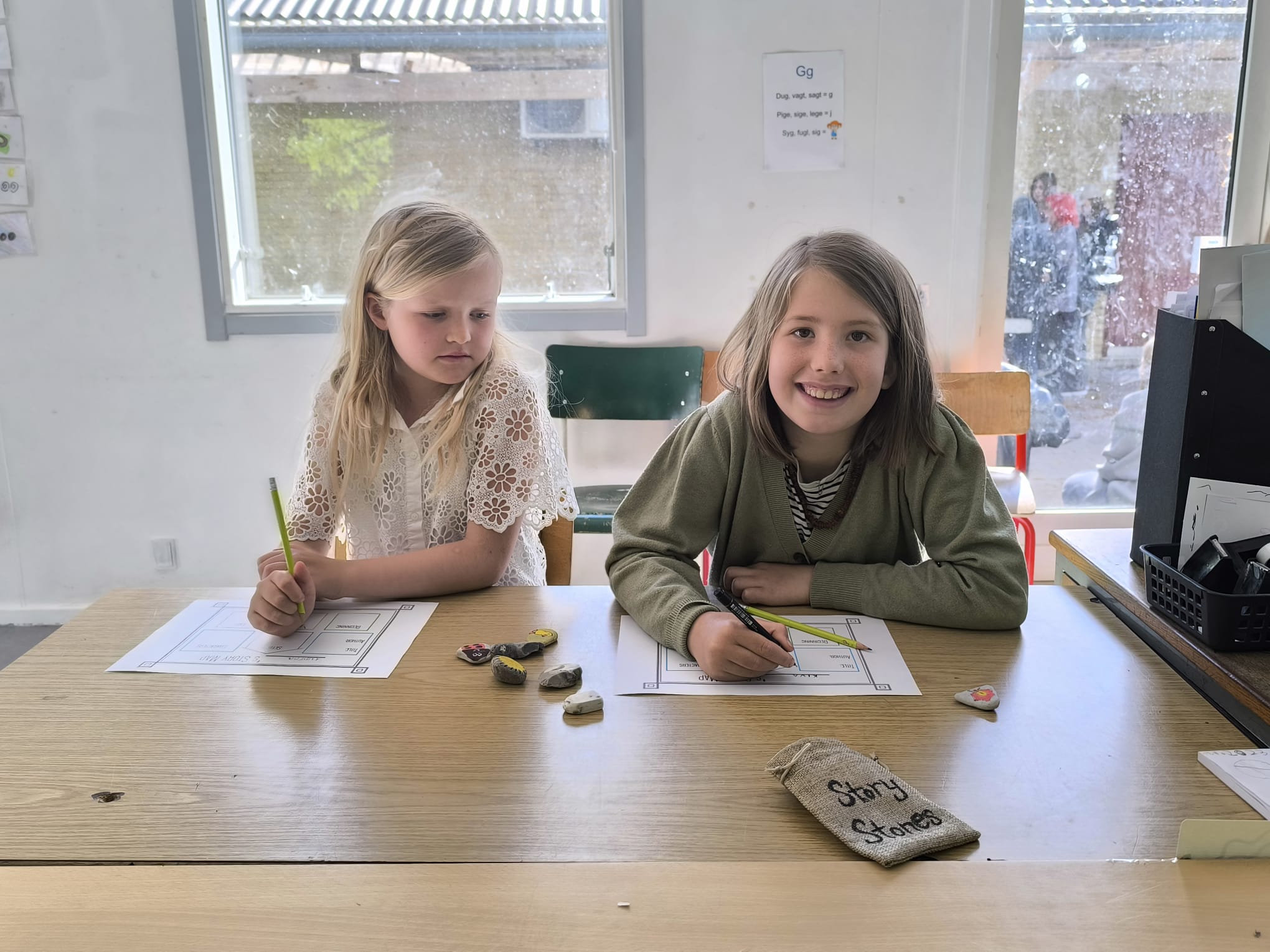
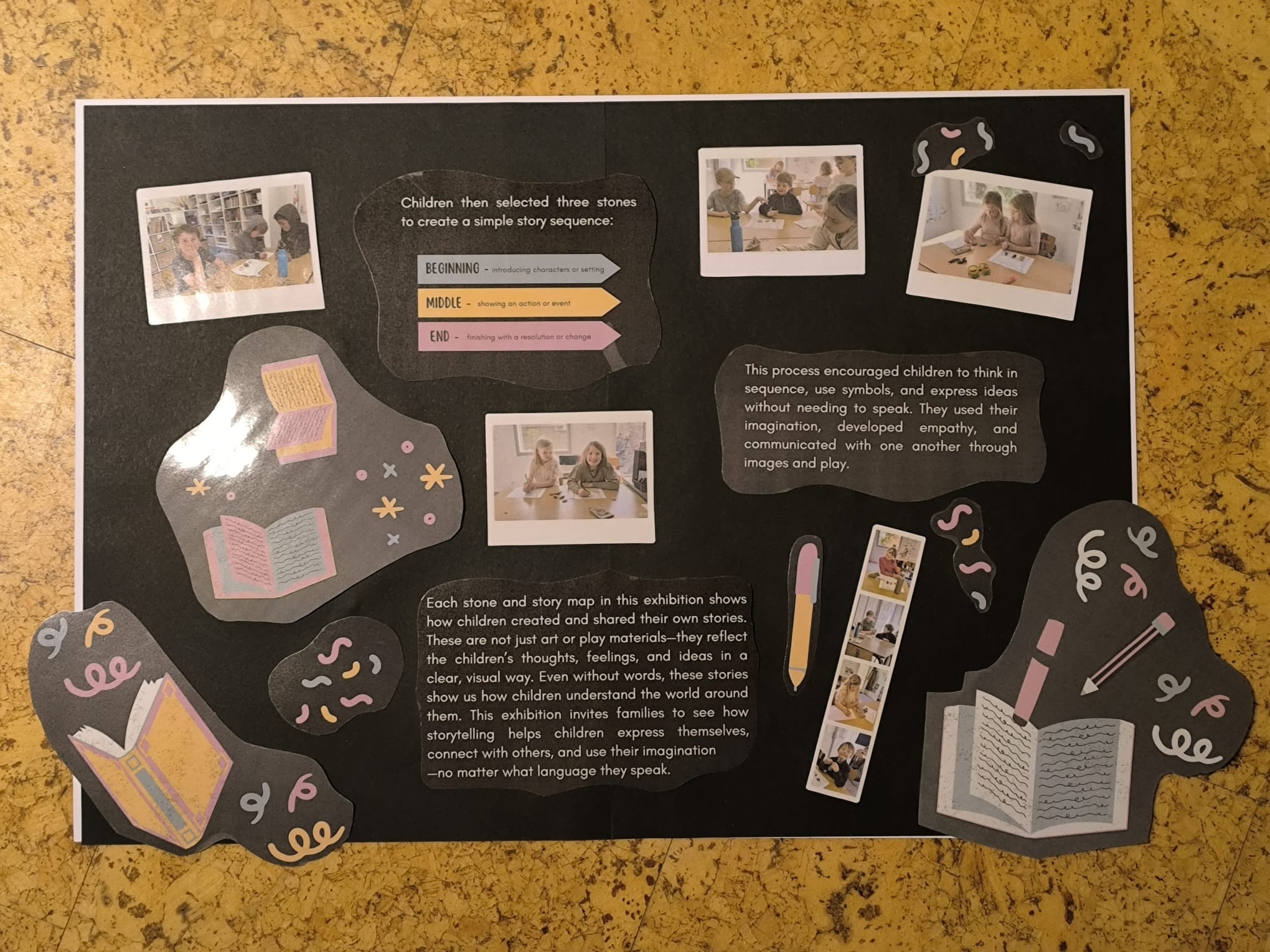
Once the stones were ready, we placed them in small pouches. I asked the children to randomly draw three stones from a pouch and use them to tell a story. We created a simple but guiding structure:
- First stone: The beginning — a character or setting
- Second stone: The middle — an event, problem, or action
- Third stone: The end — a resolution or transformation

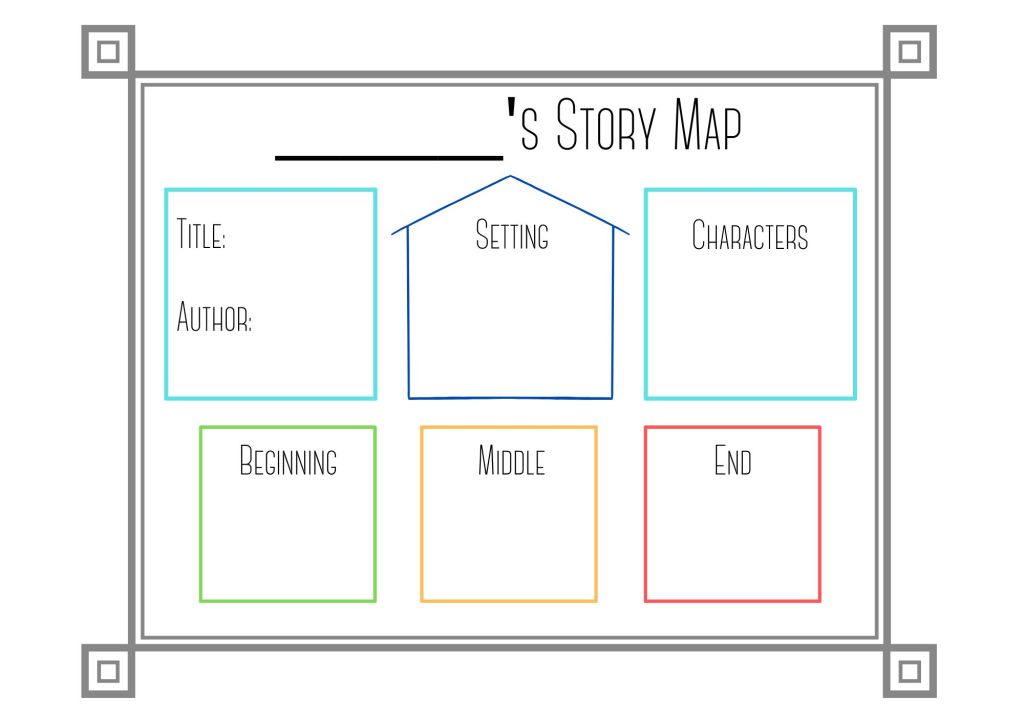
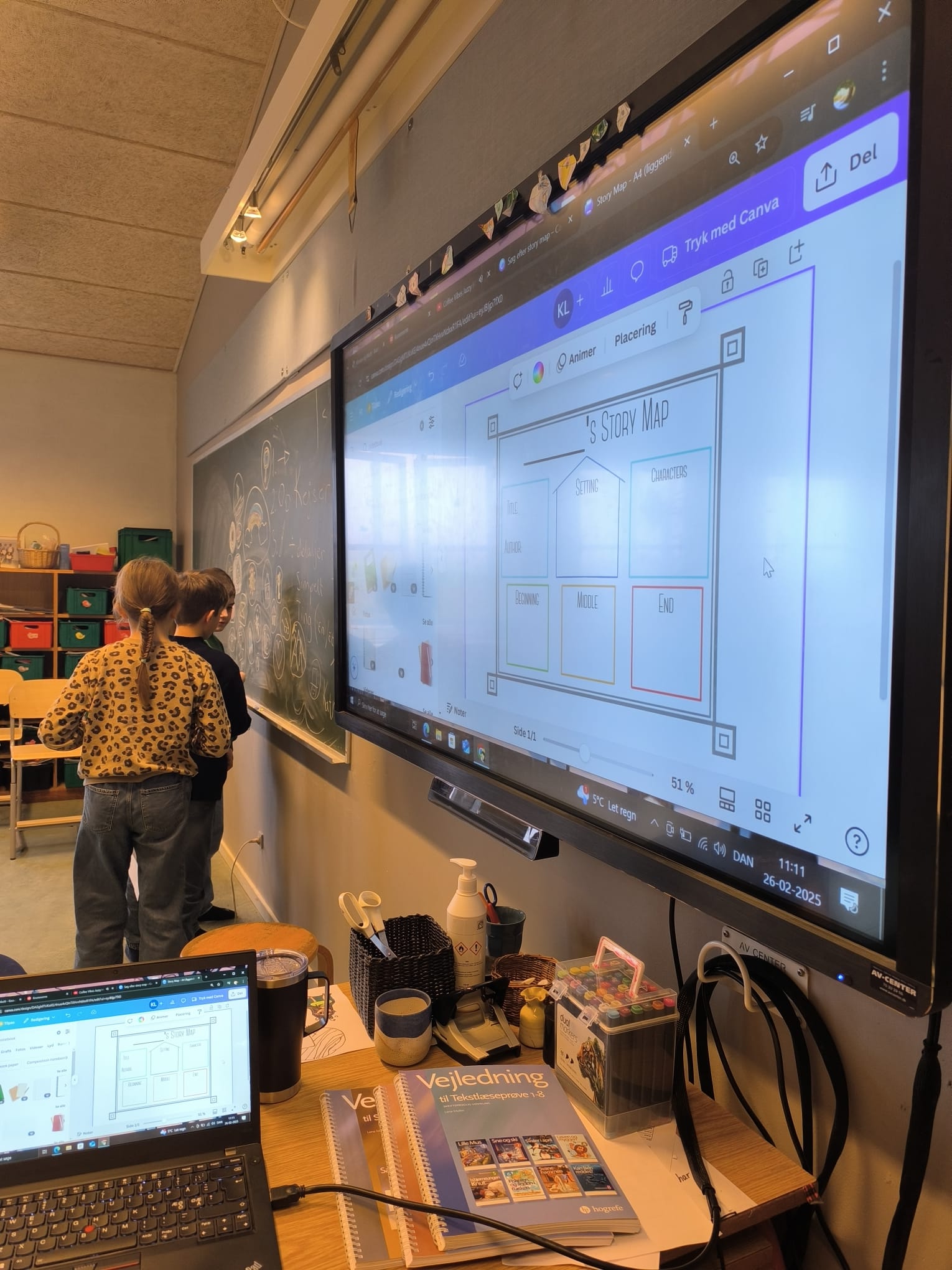
This structure gave the children room to play while helping them organize their thoughts. In one part of the activity, we also used a story map. They arranged the stones according to the classic narrative arc: beginning, middle, and end. This method not only encouraged imagination but also helped them structure their ideas coherently.




Story Exhibition
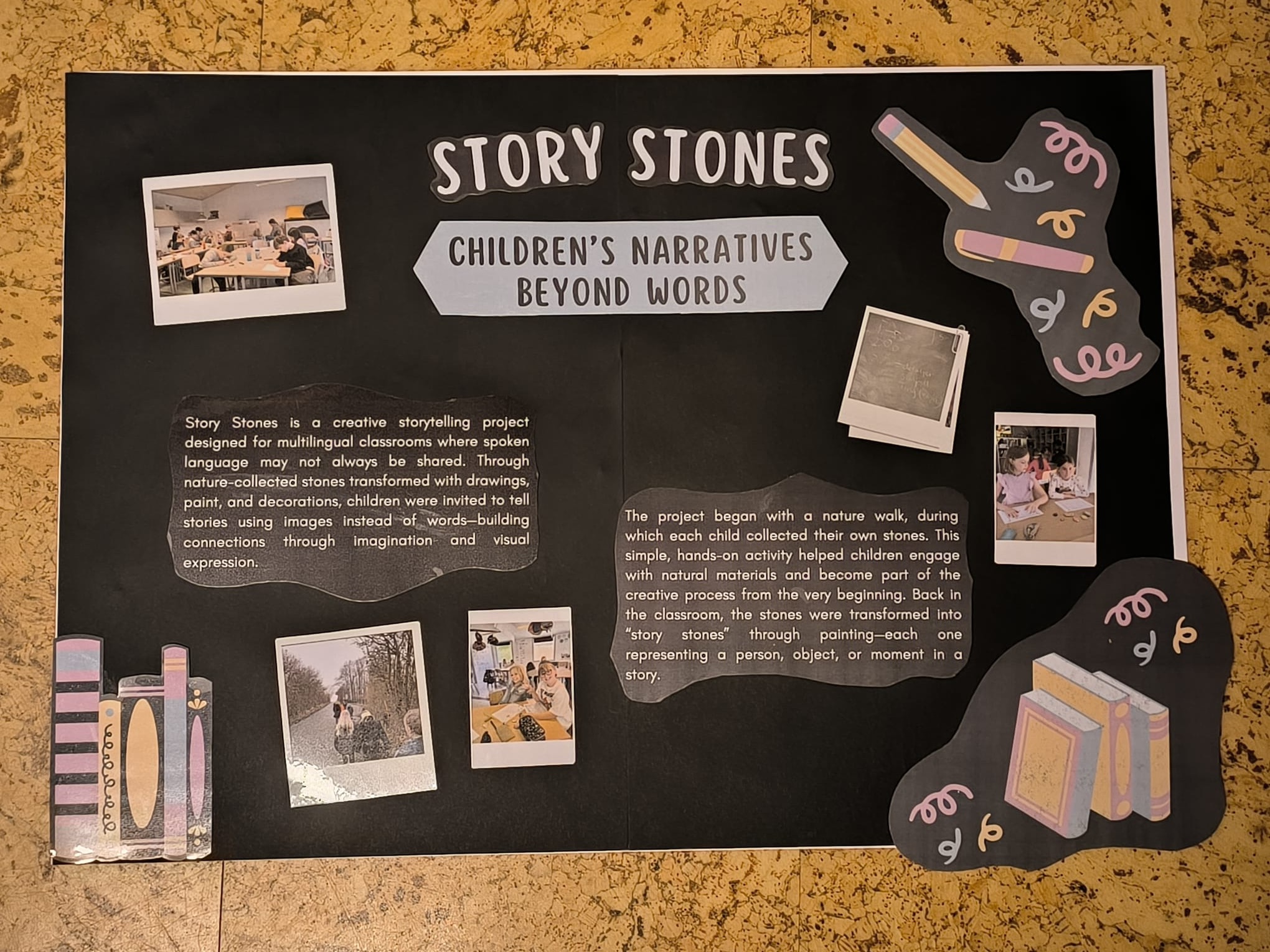
At the end of the project, the children’s stones and stories were displayed at the school’s end-of-year festival. In this way, personal narratives were brought into a public space. Each stone carries clues about a child’s voice, perspective, and imagination. Their stories — silent but full of meaning — are now reaching a larger audience. Because sometimes, a stone can say much more than a word ever could.

Final Words
The most transformative part of my volunteer experience was how my questions changed over time. At first, I kept asking, “What can I give?” But eventually, I realized the answer also lay in “What can I learn?” Through this project, I re-learned from the children the universality of creativity, play, and going beyond language.
 ESC Solidarity Projects