I am Hager Abdelhadi from Alexandria, Egypt. I volunteer at Ungdomshøjkolen Ved Ribe, an international non-formal education school specializing in art, musick, sustainability, culture, design, cooking, wellness, and sport.
Throughout this year, I have participated in organizing and planning many events related to culture, youth empowerment, and sustainability, such as:
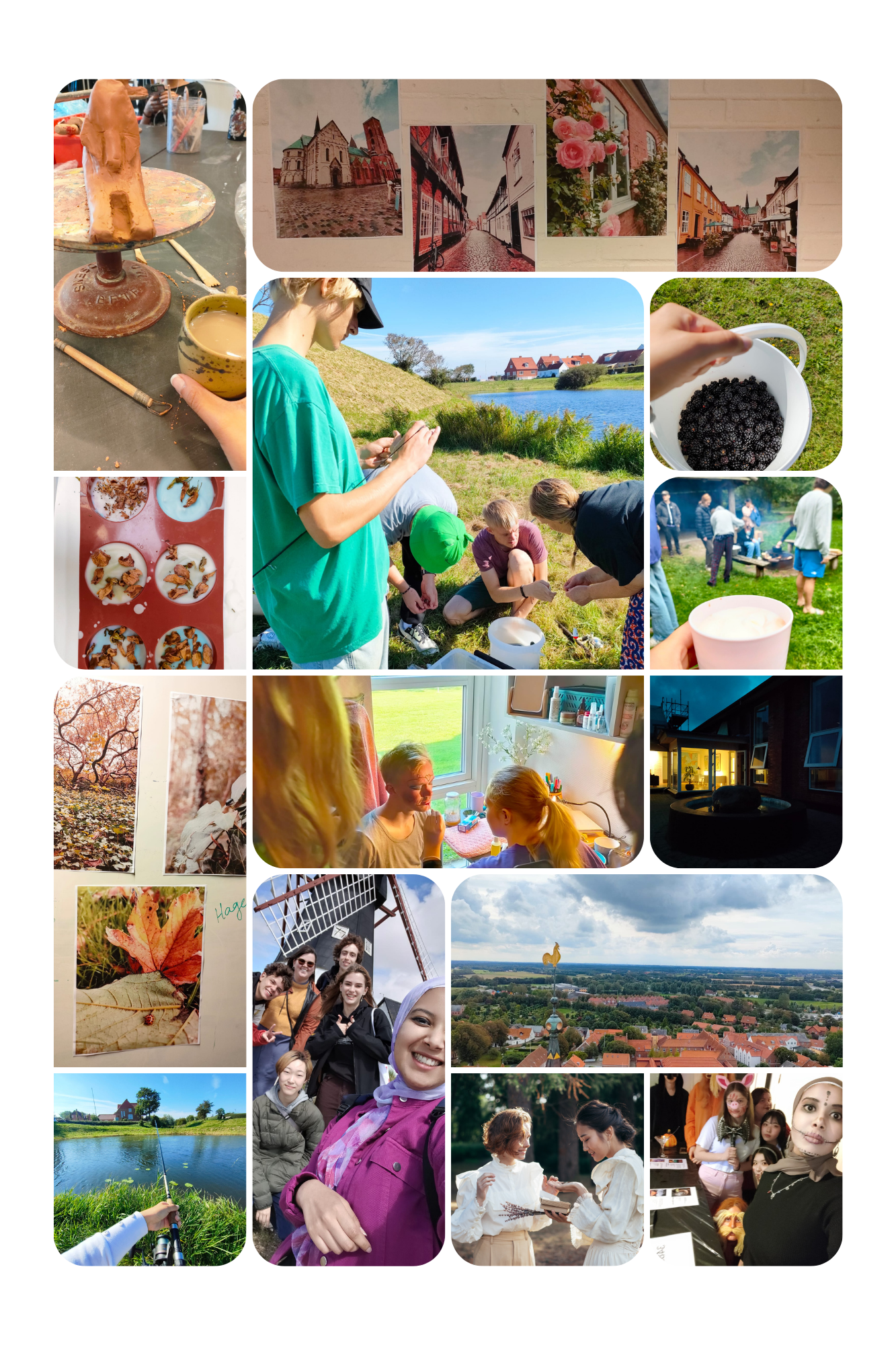
1. Swap Day (Winter and Spring): The idea of these events is to encourage the reduction of overconsumption. Young learners can exchange their clothes for others for free instead of buying new clothes. This event also aims to strengthen the connection between the students and the local people who live in the town.

2. Vintage Bus Event: Two young Danish individuals have launched a vintage bus project, transforming a bus into a movable clothes shop. The event is divided into two parts: in the first part, they give a small speech to the students about their project, sustainability, and its impact on the environment. In the second part, they sell second-hand clothes and provide students with vouchers to encourage participation.

3.Study Trip to the Netherlands:
In May, we went to the Netherlands. Before the trip, I participated in organizing the activities and recommended certain places to visit with the students, such as the Van Gogh Museum, Albert Market, and an art storage facility in Rotterdam.
4.Taboo Cafe:I participated in this event where we recommended certain topics and asked students to vote on which ones they wanted to discuss. We held this event twice, once focusing on mental health and the other on teenage challenges. These events aimed to support students in sharing their experiences without judgment, foster the idea of being a good listener, and empower them to express their feelings.

The Solidarity Project:
International Cultural ProgramType of the project:
The project is a mix of inclusion, education, training, creativity, and culture.
Overview:
The main purposes of the international cultural program for young students are:
>To promote cultural understanding, appreciation, and exchange among participants from diverse backgrounds, especially students from different countries
_To foster the concept of diversity by presenting different features of their culture, festivals, customs, foods, traditions, and touristic places.
_To preserve and safeguard the tangible and intangible cultural heritage of all participating countries.To enhance cross-cultural awareness and understand the correct meaning of generalization and stereotypes.
_To develop interpersonal skills as students engage with peers from various cultural backgrounds and develop communication, empathy, and collaboration skills.
_To emphasize the effectiveness of non-formal education through engaging activities.
Participating countries in the program: Denmark, USA, UK, Sweden, Portugal, Brazil, France, Italy, Croatia, Paraguay, Japan, Egypt, Czechia, Argentina, Greenland, Uganda, Poland, and the Netherlands.
Planning the program: The outline of the program, its activities, and expected outcomes are as follows:
_Discussing the main points and outline of the project with my mentor.After receiving approval, explaining the program, competition, and purpose to the students
_Cooperating with the student council to collect participants and select countries, and working with the activity committee on food and decoration.
_Collaborating with the staff to form a jury (comprising four teachers, each providing comments after each performance) to select the winner and the reward.
_Designing the poster for the program.
_Creating the agenda for performance day and explaining it to the students.
The program included:
_A lecture on the value of heritage for all nations and ways to preserve and safeguard our cultural heritage elements.
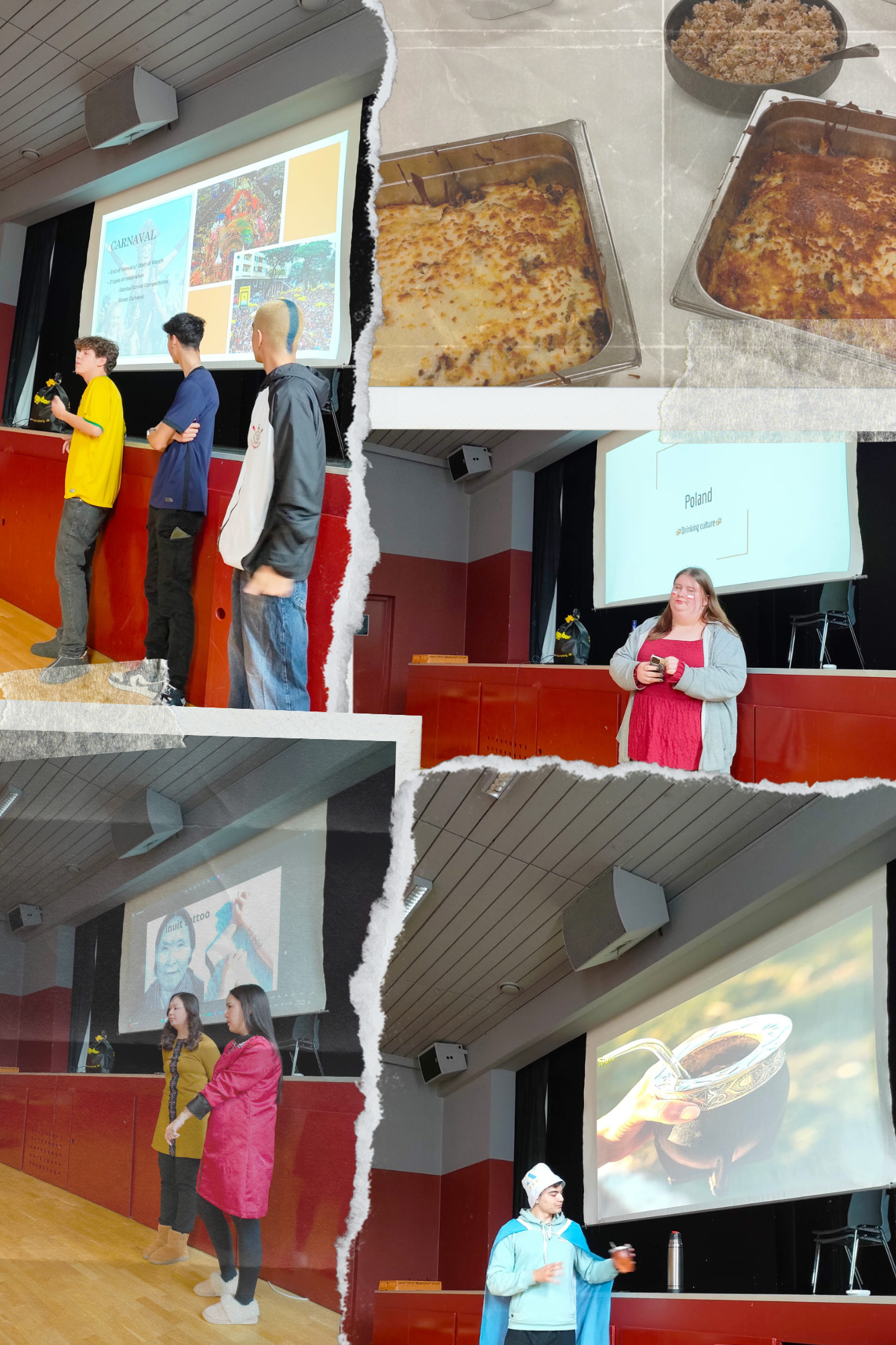
_Creative presentations about each country, including its traditions, customs, landscapes, language, and festivals.
_ Each mentioned country was represented by a group of students, with some countries represented individually.
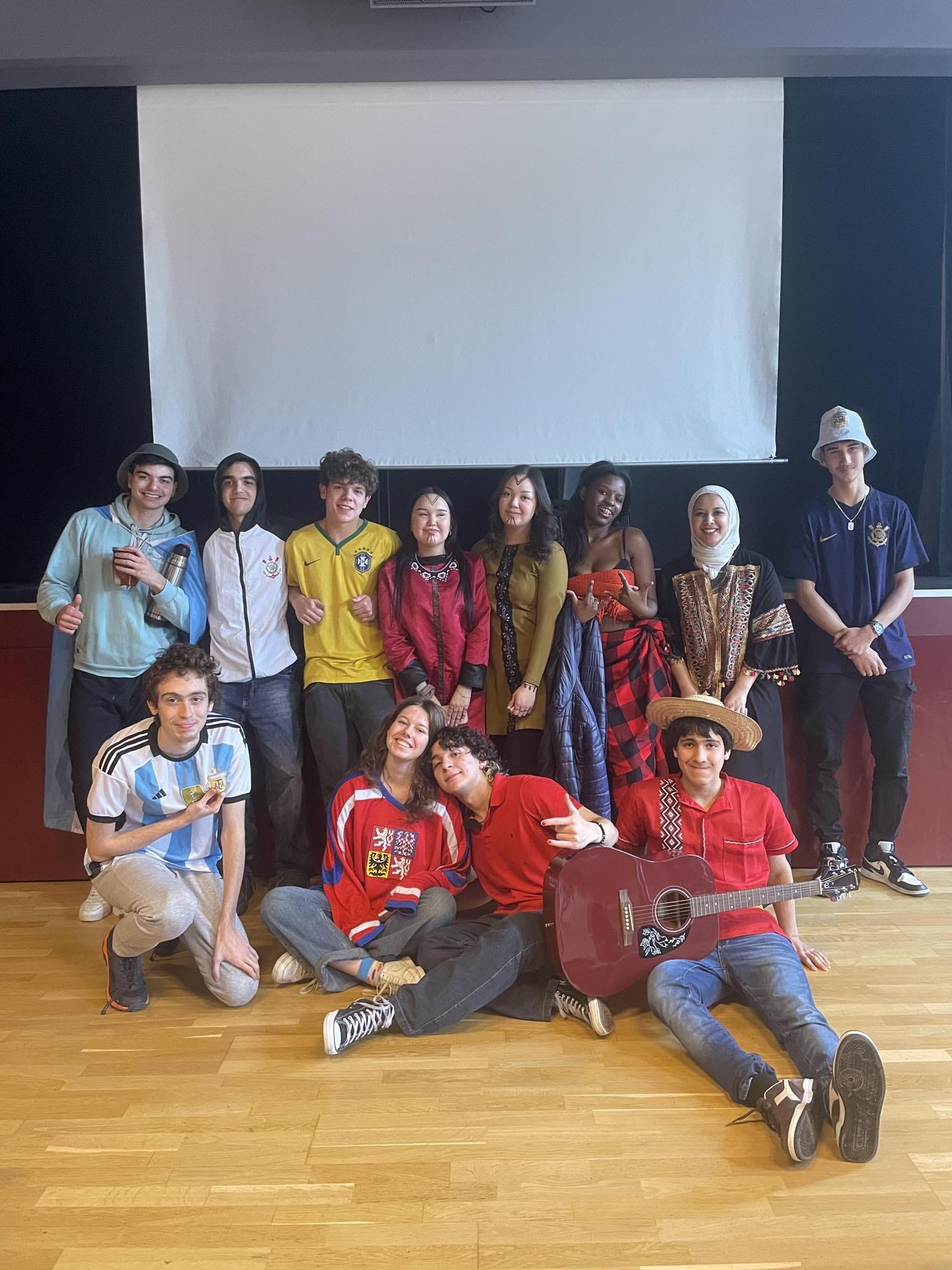
_Shows demonstrating traditional festival attire and celebrations.
_Groups cooking traditional dishes such as Paraguayan desserts, Neapolitan pizza, and Brazilian main courses.
_Students played traditional music and songs, and teaching the audience traditional dances.
_Meals on the final day included Mediterranean, East European, and Mexican cuisine.
_All groups wore costumes representing their chosen country.
_A competition among the countries to see which group could abide by the presentation time, be creative, and cover all points, with a prize for the winner.
_The Argentina group was the winner.
 ESC Solidarity Projects