THROUGH INCLUSIVITY TO SOLIDARITY
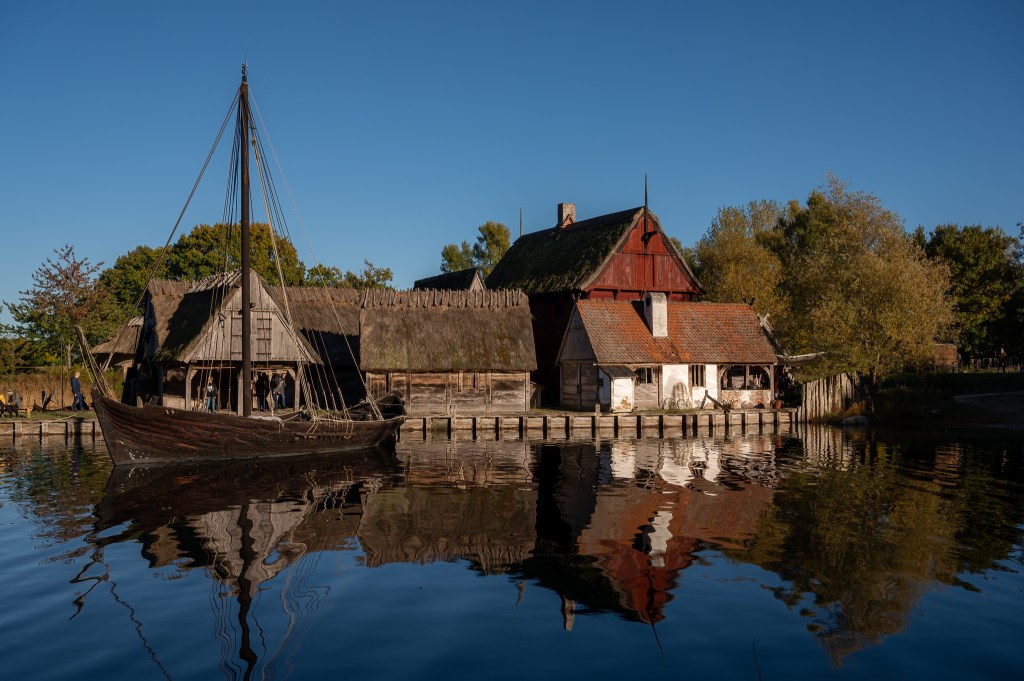
Having started my volunteer project at Middelaldercentret (a medieval open-air museum), I immediately noticed how much attention was paid to the institution’s (educational) cooperation with local schools. Children were invited on excursions to the museum, they played medieval games and learned some (endangered) crafts/skills there – such informal activities perfectly complement the history lessons at school, making knowledge more tangible. However, I also noticed that the project was aimed primarily at Danish-speaking children.
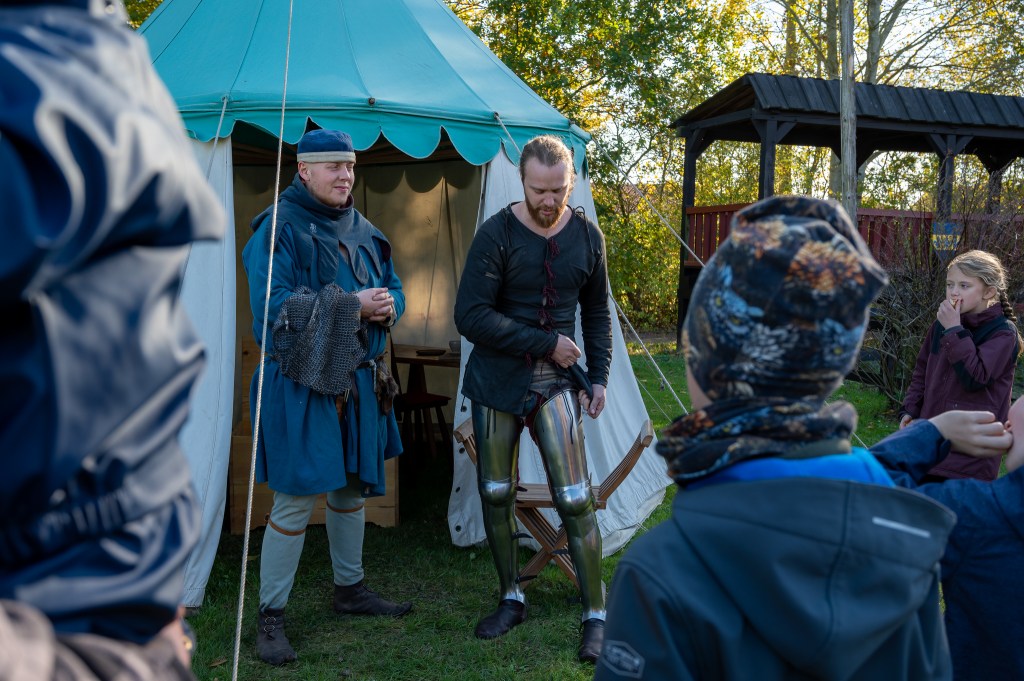
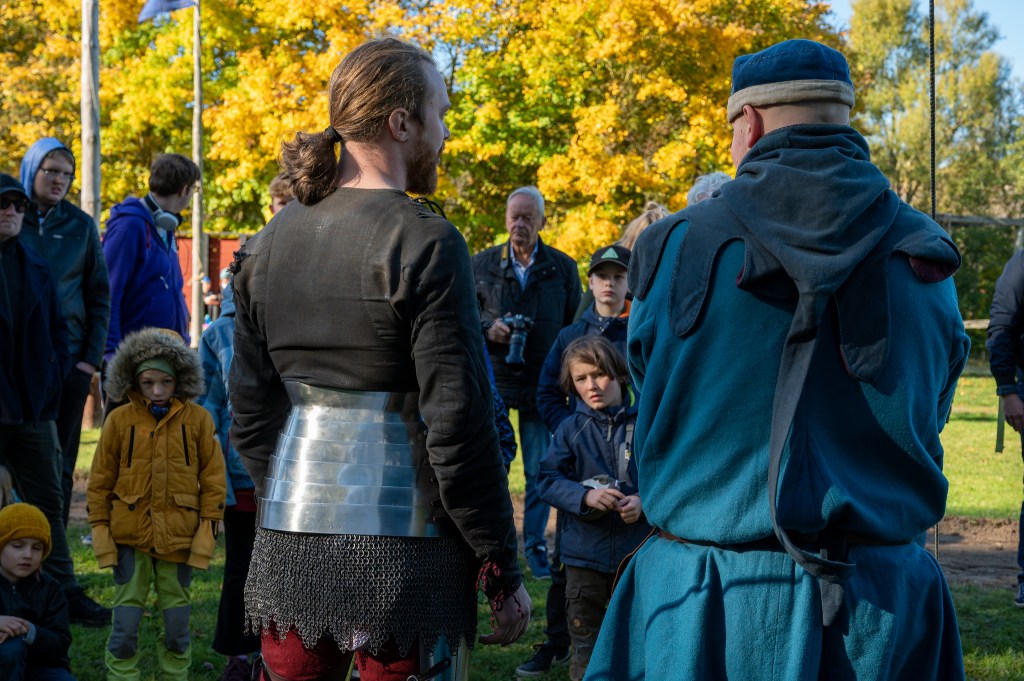
Despite the fact that Denmark has welcomed and become temporary home to many Ukrainians, due to the language barrier, they have fewer (educational) opportunities. Given that one of the priorities of the European Solidarity Corps is inclusion and diversity (which also concerns/relates to people with a migrant or refugee background), I decided that my solidarity project would be aimed at Ukrainian children living in the Lolland-Falster region. In order to provide them with more opportunities, facilitate their (temporary) integration into the local society, make the museum more inclusive (which is also in line with current trends in museology) and show solidarity with Ukraine, I commited myself to design, organise and take children from Ukraine on a guided tour in their native language.

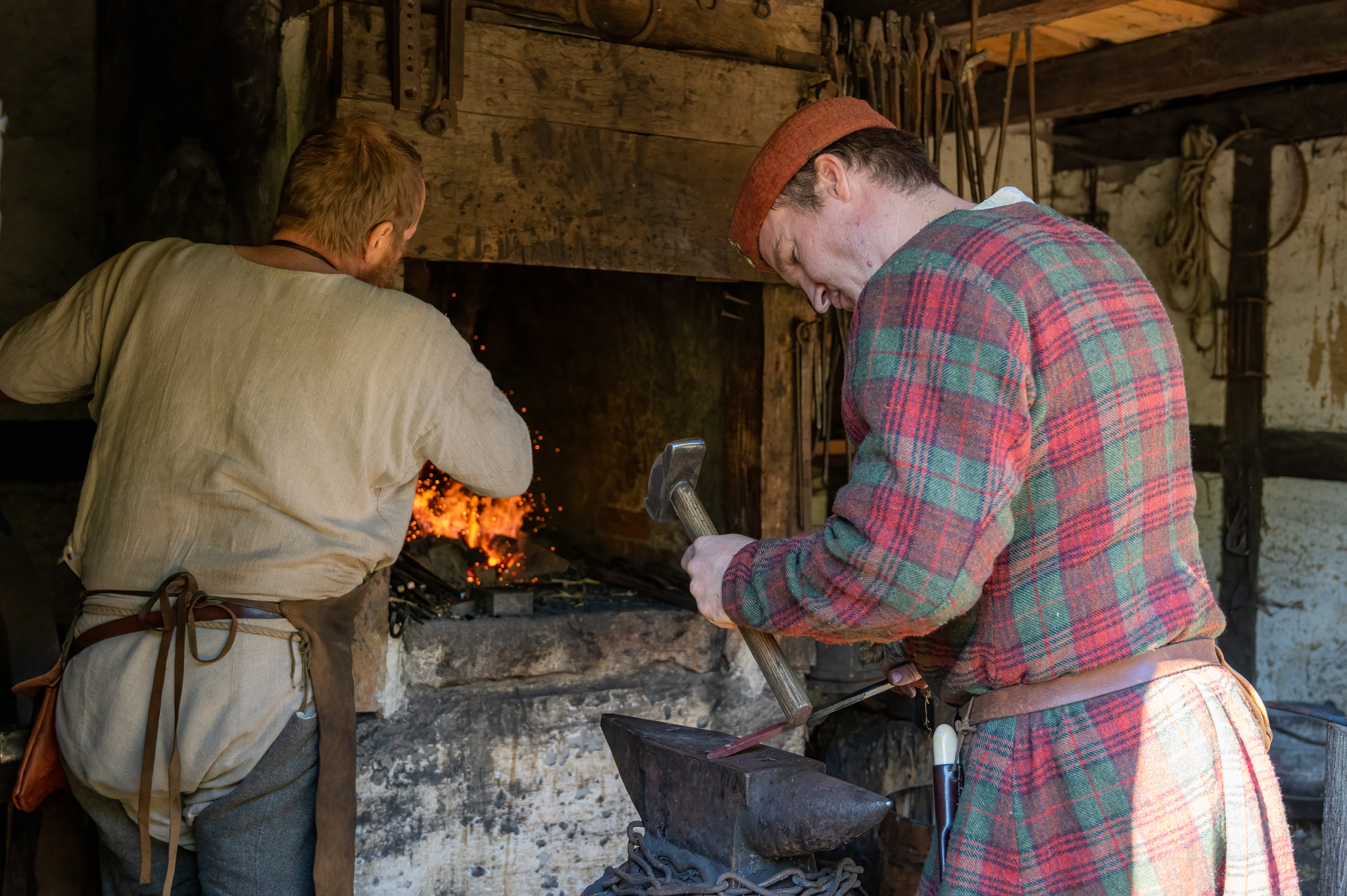
After sharing the idea with my supervisor, I set about preparing a programme of the visit. Firstly, I approached more experienced colleagues who had been conducting guided tours for many years to ask for their advice. In addition to personal sessions with museum staff, I also studied some literature from our library to enrich and enhance the knowledge obtained from colleagues. Having collected the basis of information necessary for creating a guided tour, I began to write a script in Ukrainian. Despite the high level of proficiency in it, there were some specific (crafts-related) words that had to be translated and memorised. Therefore, after some time, I prepared/designed a balanced tour covering facts about the medieval history of the world in general and Denmark in particular, the life of a typical Danish market town of that time (laws, traditions, rules), and crafts as one of its crucial parts. Moreover, I tried to make a story out of all the facts in order for the tour to be more informal and child-friendly.

As soon as the programme/tour was ready, I checked which of the region’s schools had accepted the largest number of Ukrainian students. It turned out that more than 20 children (aged 6 to 16) from Ukraine studied at Eskilstrup School, and therefore I decided to invite them. Together with my supervisor, we contacted the leadership of that school and set up a date for a (free) visit to the museum.
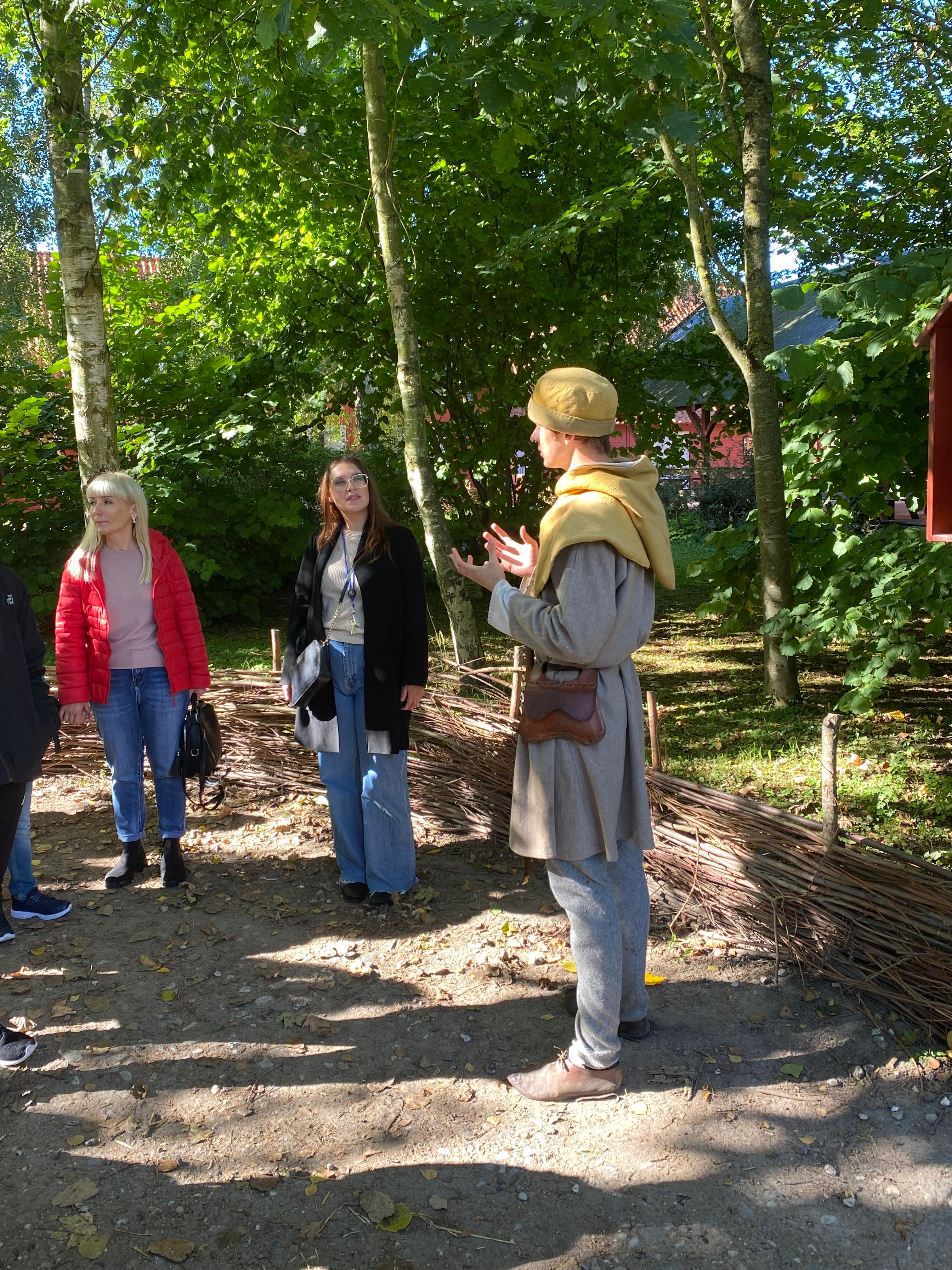
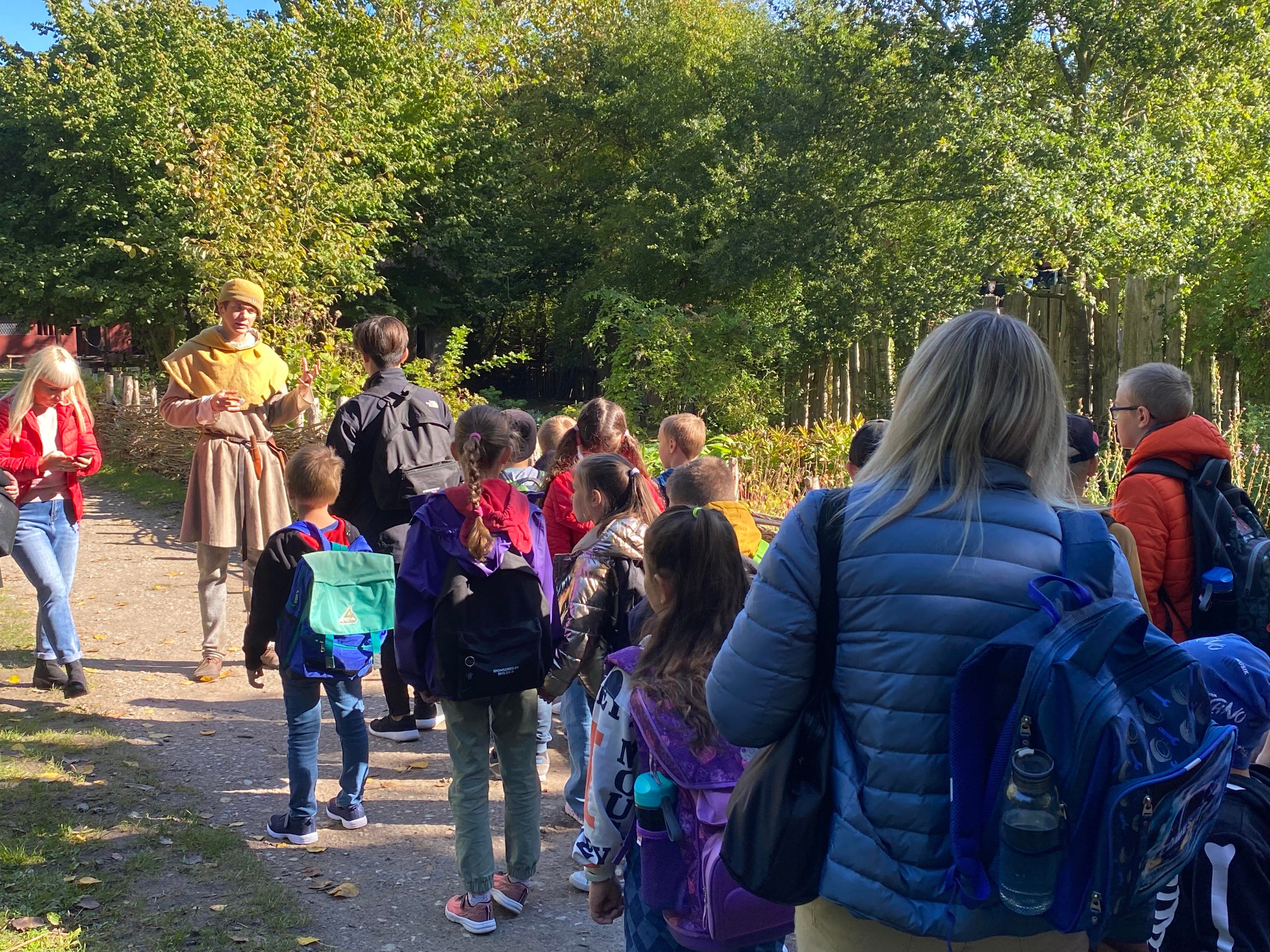
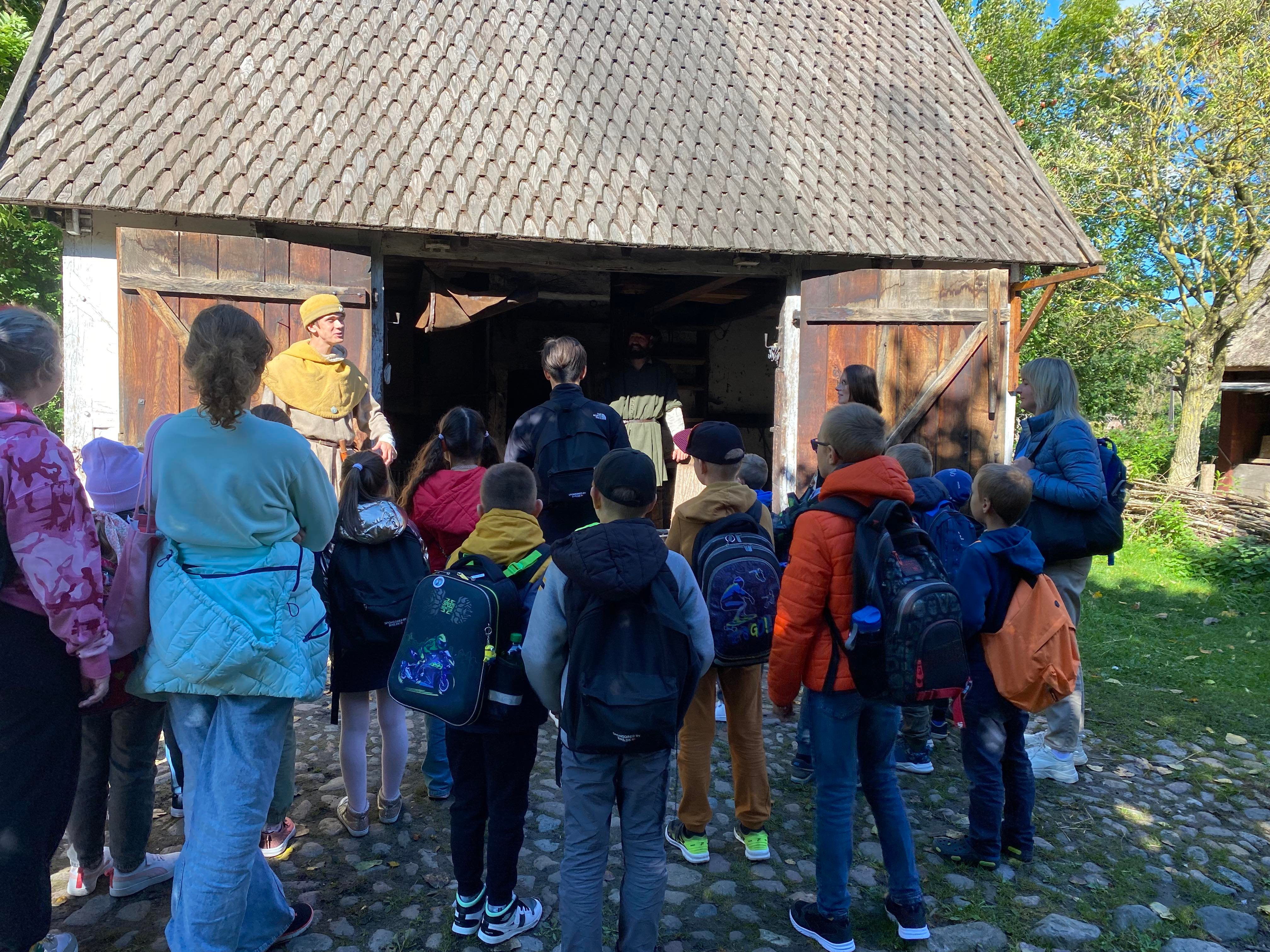
That day was special. Despite the nervousness, thorough preparation and the desire to show the museum to Ukrainians helped me to successfully implement my idea and create great memories for them. Indeed, because of a large age gap between the students the final/real tour was adjusted/shortened to make it more dynamic for the youngest guests. However, in addition to the guided tour, we also watched a breathtaking trebuchet launch and a spectacular knights’ tournament, where I translated the speaker’s words into Ukrainian so that students could better understand what was happening.
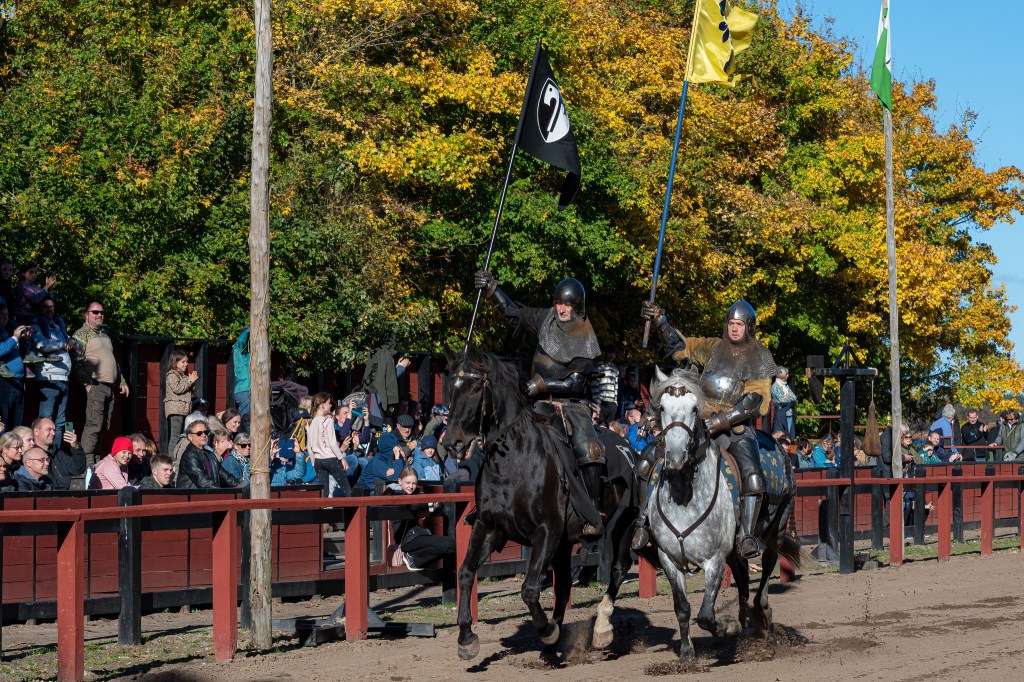

The programme of the visit was also complemented by a medieval game (the rules of) which I taught/explained to the children and archery where everyone (regardless of age) was able to take a few shots. Those four hours we spent together also flew as quickly as a shot, nevertheless hitting right on target – the target of solidarity, kindness and inclusivity. When you see the smiles of children and hear their gratitude (especially for making it in Ukrainian), you are convinced of the importance of those values and the reason why they define Europe.

 ESC Solidarity Projects