Ranum Efterskole is a Danish residential school known as an “Efterskole.” Efterskole is a unique educational concept in Denmark that offers a one-year, non-formal education program for students between the ages of 14 and 18. Each Efterskole typically focuses on a specific theme or subject area, such as sports, arts, music, outdoor activities, or cultural exchange. In Ranum, we offer a lot of different opportunities to help students develop their talents, interests, and social skills while fostering a sense of community and responsibility. The students live on campus during the school year, creating a close-knit community that encourages collaboration and personal growth. As a European volunteer we are a part of the school community that’s is created over the years.
Our missions are diverse depending on our own interests. It could be:
- Assisting with language teaching
- Organizing cultural activities: cultural events, workshops, or activities to promote cross-cultural exchange and understanding.
- Participating in outdoor activities: the school often offers outdoor and sports-oriented programs
- Providing social support: offer guidance and support to students, helping them adapt to the new environment and culture.
So as part of my European service, I had to share my French culture in French classes and also create cultural events so that students from other countries could share their culture during cultural evenings. We’ve welcomed different groups from all over the world: Italians, Indians, Thais… As an assistant yoga teacher, but also passionate about India, I’ve chosen to focus my solidarity project on promoting Indian culture, both through the classes I give during the year and by spreading Indian culture at events with the native who had visited us. Sharing your culture is one thing, but helping young people to promote their cultural heritage to another audience is quite another. By doing so, we create greater international cohesion and develop empathy and solidarity among our students.
The importance of teaching yoga for teens

Yoga has been practiced for thousands of years and has gained popularity worldwide as a holistic approach to promoting physical, mental, and emotional well-being. The teenage years are a crucial period of development, where adolescents face various challenges, including academic pressure, social relationships, and self-identity. Incorporating yoga into the lives of teenagers can be highly beneficial, as it offers a comprehensive set of tools to address the unique issues they encounter during this transformative phase. This essay highlights the significance of yoga for teenagers and its positive impact on their physical health, mental well-being, and overall personal growth. Yoga is benefic in many plans, the first one is the physical one: during adolescence, the body undergoes significant physical changes, and practicing yoga can help teenagers improve their flexibility and strength. Asanas (yoga poses) gently stretch and tone muscles, supporting the development of a strong and balanced physique. Regular practice can also help prevent injuries and promote better posture, which is crucial for teenagers who may spend long hours sitting due to academic commitments. Also, obesity and sedentary lifestyles are growing concerns among teenagers. Yoga provides a low-impact, enjoyable form of exercise that can aid in weight management. The physical activity involved in yoga practice contributes to increased metabolism, helping teenagers maintain healthy body weight.
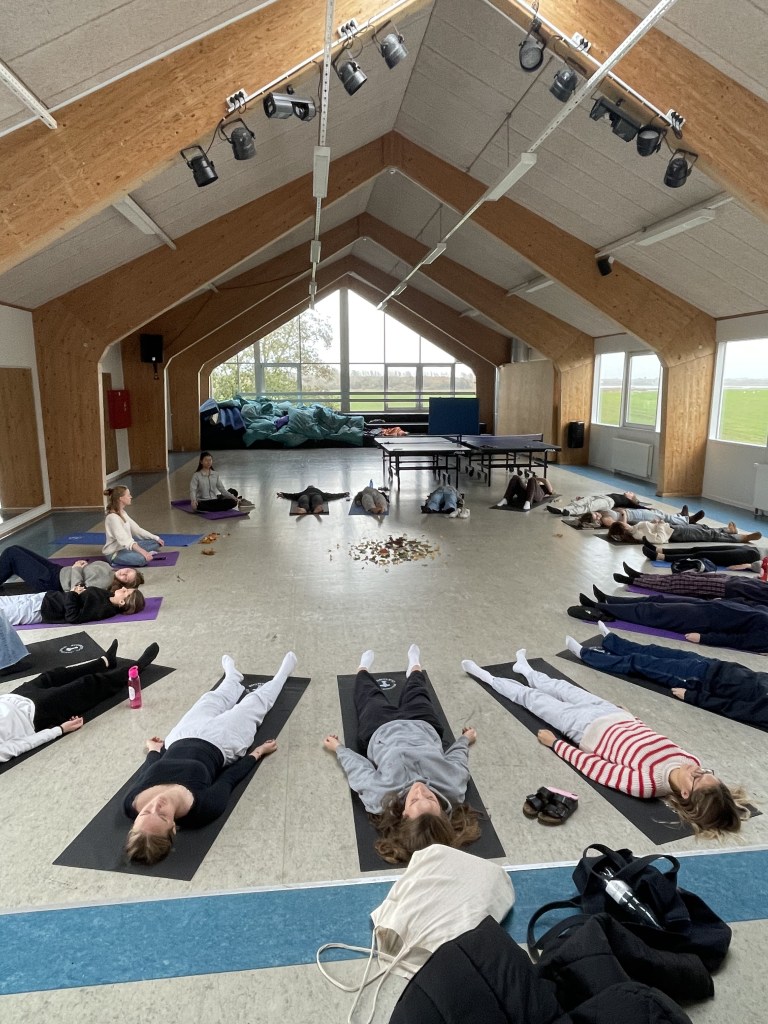
Yoga is wonderful concerning mental well-being too, it helps to reduce stress and create a relaxed mind: Teenagers often face significant stress due to academic pressures, social expectations, and self-esteem issues. Yoga emphasizes mindfulness and deep breathing techniques, which are effective tools for stress reduction and relaxation. The practice of yoga encourages teenagers to be present in the moment and fosters a sense of calm and mental clarity, helping them cope with stress more effectively. By clearing the mind and promoting better cognitive functioning, yoga enhances teenagers’ ability to absorb and retain information, leading to improved learning outcomes.
Teenagers often experience emotional turmoil as they navigate through new experiences and emotions. Yoga teaches them to acknowledge and process their feelings without judgment, fostering emotional resilience and self-acceptance. By learning to manage emotions through yoga, teenagers can build healthier relationships with themselves and others. Yoga encourages teenagers to connect with their breath and body, helping them regulate their emotions more effectively. Practicing mindfulness in yoga enables teenagers to respond to challenging situations with greater composure, reducing impulsive reactions and promoting emotional stability.
In conclusion, the importance of yoga for teenagers cannot be overstated. This ancient practice offers a comprehensive approach to supporting teenagers during a critical phase of their lives. By incorporating yoga into their routines, teenagers can benefit from improved physical health, enhanced mental well-being, and strengthened emotional resilience qualities that we want to help them become more balanced, confident, and emotionally intelligent adults.
Yoga helps to develop a solidarity mind.
Teaching yoga can indeed be an effective tool to promote solidarity and foster a sense of togetherness among individuals. Yoga, as both a physical practice and a philosophical approach, encourages self-awareness, empathy, and connection with others. When taught with a focus on unity and community, yoga can create an environment that strengthens bonds and enhances solidarity among participants. Here are some ways that we teach yoga too increase solidarity:
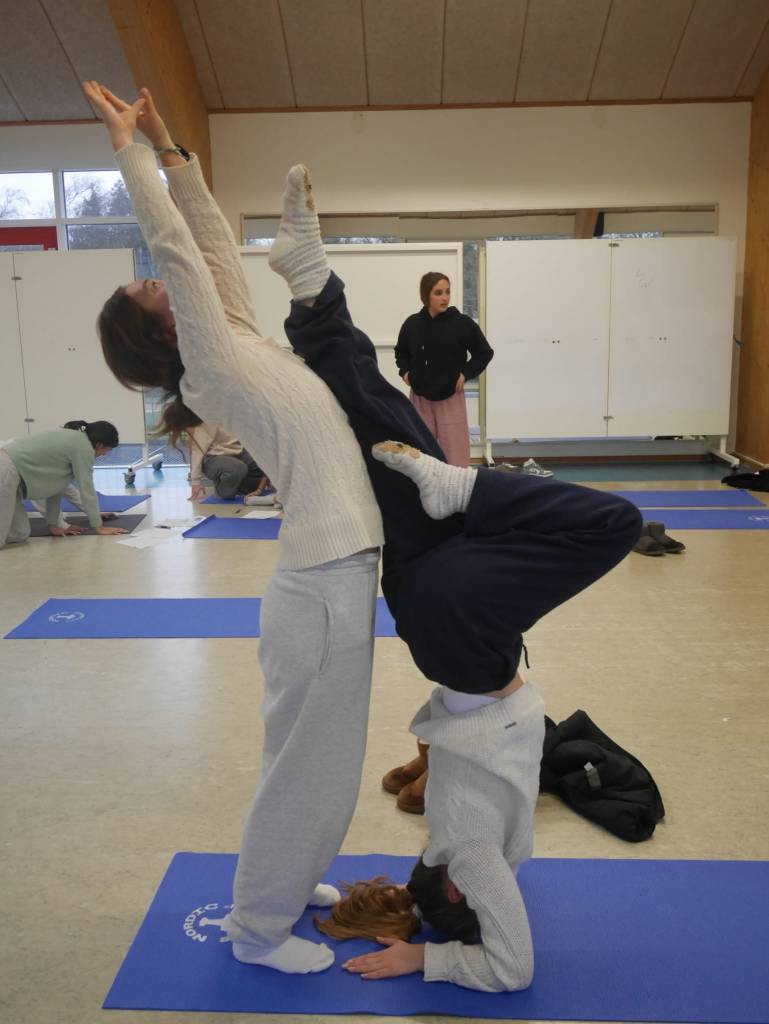
1) Inclusive Environment: By emphasizing that yoga is a practice for everyone, regardless of age, gender, physical ability, or background, yoga classes can create an inclusive space where individuals feel welcome and valued. This sense of inclusion fosters a spirit of solidarity and respect for each other’s uniqueness.
2) Group Yoga Practices: Group yoga classes provide opportunities for participants to practice together, creating a shared experience. Practicing in unison, focusing on breath and movement, can foster a sense of unity and oneness among participants. Also, incorporating partner or group yoga poses in the classes encourages collaboration and trust among participants. Partner poses require communication, support, and coordination, strengthening the connections between individuals.
3) Mindfulness and Empathy: as we said before, yoga cultivates mindfulness, encouraging participants to be present and aware of their thoughts, feelings, and sensations. This heightened awareness can also extend to others, promoting empathy and understanding of each other’s experiences and challenges.
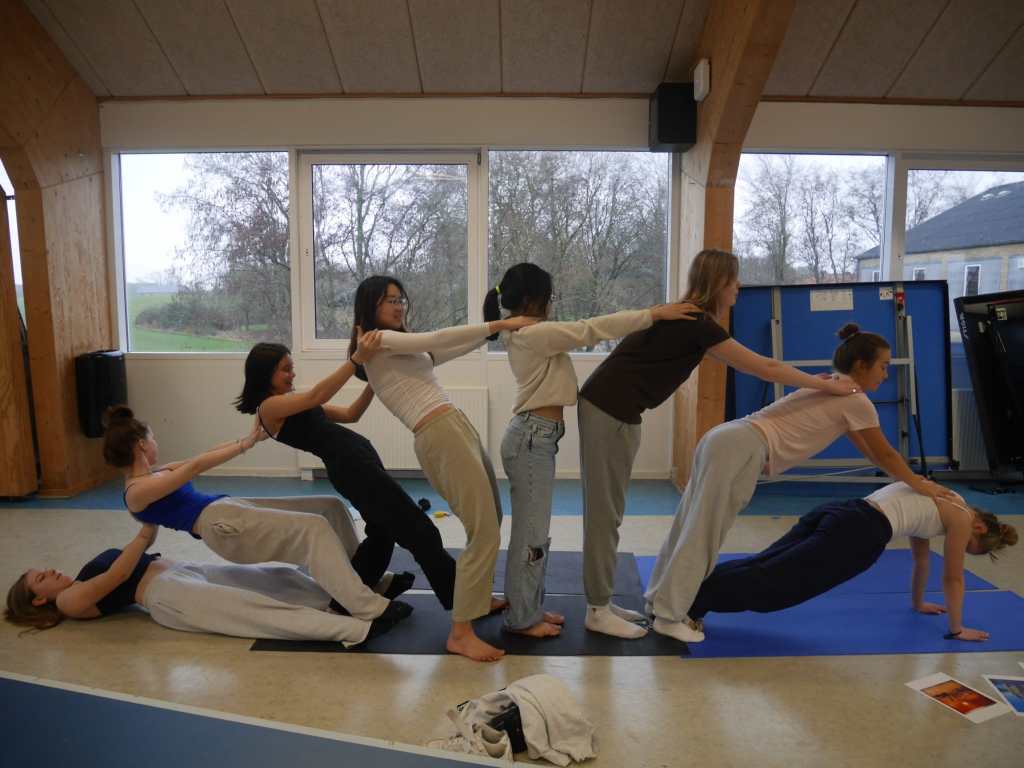
4) Social Interaction: Yoga classes offer a space for individuals to interact and connect beyond the yoga mat. It’s encouraging open communication and creating opportunities for socializing before or after classes can lead to the development of friendships and a sense of community. In the same way, we try to introduce themes of unity, compassion, and solidarity in yoga classes to reinforce the message of interconnectedness and shared humanity. Guided meditations or discussions on these themes can deepen participants’ understanding of solidarity.
5) Cultivating Gratitude: Encouraging gratitude practices during yoga classes can help the students appreciate the support and presence of others, strengthening feelings of interconnectedness and solidarity.
6) Group Reflection and Sharing: Finally, we offered opportunities forthe kids to share their experiences, insights, and challenges during yoga practice like this it can foster a supportive atmosphere and a sense of shared growth and learning.
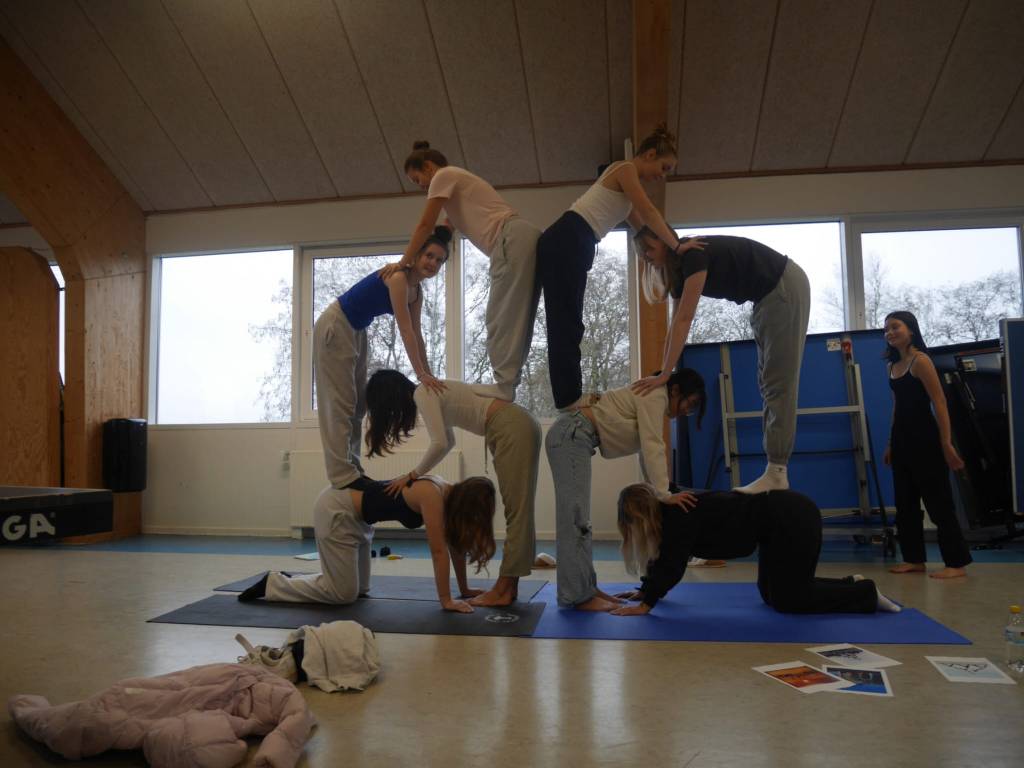
In conclusion, teaching yoga with a focus on solidarity can create a nurturing environment where the students feel connected and supported. By fostering inclusivity, empathy, and community, yoga can become a powerful tool to strengthen bonds and promote a sense of togetherness among participants.
“Indian Night”: A Cultural Showcase by Indian Students
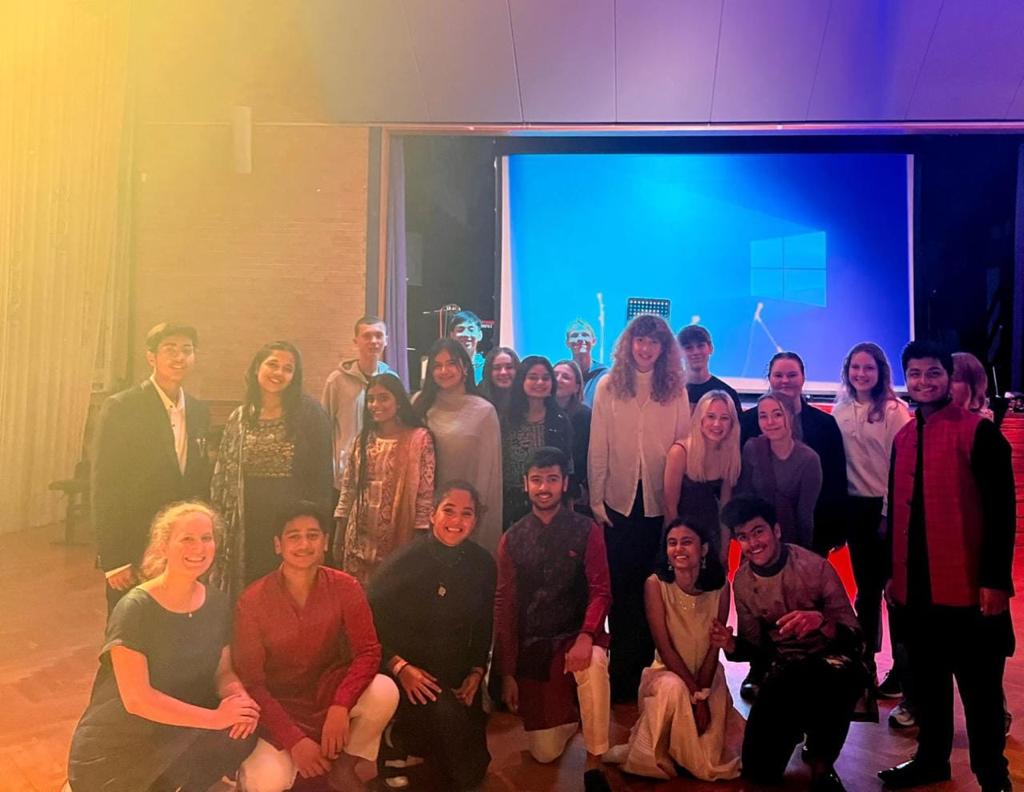
So already through the teaching of yoga we are encouraging values of solidarity and empathy towards our students. However, yoga is a sporting and spiritual practice from India, so the students are immersed in an imaginary world from elsewhere during their classes. We have welcomed Indian students to our school on three occasions. These students are keen to share their culture with others, so some have joined the yoga classes and explained the differences and similarities in the way yoga is taught in their country. Also, in a more general way, we have organized cultural evenings, allowing Danish students (and not only yogis) to discover Indian culture. This helps to create a better intercultural understanding, opening people’s minds to other cultures and promoting international solidarity.
For the sake of brevity, I will summarize the various activities created by the students during the 3 cultural evenings in a timeless way.
Celebrating Diwali
Diwali, also known as the Festival of Lights, is one of the most significant and vibrant festivals celebrated by Indians worldwide. For Indian students studying abroad, Diwali presents a wonderful opportunity to share their rich culture and traditions with their international peers. Organizing an “Indian Night” to celebrate Diwali not only allows Indian students to cherish their cultural heritage but also fosters cultural exchange, understanding, and appreciation among diverse communities.
Dance and Music Performances:
An integral part of Indian culture is its diverse dance forms and music styles. Indian students can perform traditional and modern dance routines. Some of them created a Bollywood dance just for the occasion. Also, if your looking for partners to dance just go to India! They love dancing and share this joy with every student.
Indian Cuisine Tasting:

A diverse range of Indian delicacies has been prepared by the students. Allowing attendees to savor traditional Indian dishes like, curry dahl, samosas, biryani, masala chai, and sweets like gulab jamun and jalebi. A delicious way to discover India
Cultural Talks and Presentations:
Indian students also gave presentations explaining some facts about the country, its cultural importance, and Hindouhisism. At the beginning of the “Indian’s night,” we open the festivity with a prayer to the gods of culture. A way to show a different point of view and culture. By the way,do you know that the number 0 has been invented in India?

Conclusion:
Organizing an “Indian Night” to celebrate Diwali and/or Indian culture is a wonderful way for Indian students to share their cultural heritage and traditions with their international peers. Through various activities like cultural showcases, workshops, and presentations, Indian students can foster cultural exchange, promoting an environment of inclusivity and appreciation. Such events not only enrich the cultural experiences of everyone involved but also contribute to a vibrant and harmonious campus community.
 ESC Solidarity Projects